Charged With Cosmic Energy
“It was spontaneously calculated.” In Search Of Space established Hawkwind as masters of the space rock universe, but their mission to spread the counterculture to every corner of Britain was fraught with bad vibes and danger. Fifty years on, the Hawkship’s crew tell the story of a revolutionary record.
Words: Joe Banks Dave Brock interview: Julian Marszalek
On October 8, 1971, Hawkwind released their second album, In Search Of Space. It’s a landmark record, space rock ground zero, and every bit as mind-melting and innovative as the then-contemporary krautrock scene in Germany.
But while Hawkwind were born out of the alternative society of Ladbroke Grove in west London, In Search Of Space wasn’t an album fuelled by peace and love. Instead, as its title suggests, it was a radical escape route from authoritarianism and mainstream conformity, and a blast of sonic disgust against the foolishness of the straight world.
The year of its creation was a tumultuous one for the band, with numerous altercations and brushes with death along the way. Yet by the end of 1971, Hawkwind would be the country’s biggest cult band with a newly minted science fiction mythology and a secret weapon in their arsenal set to propel them to even greater heights.
Hawkwind had ended 1970 by co-headlining the Christmas Space Party, a benefit gig at the Roundhouse for the underground press. Yet for bassist Thomas Crimble, it would prove to be his final show with the band. Crimble had played a key role in moving them on from the jammy, often abstract psychedelia of their self-titled debut album, and helped develop a more driving sound based around an increasingly dynamic rhythm section. But it had been decided that Dave Anderson, ex-Amon Düül II and more recently a member of Van der Graaf Generator, should replace him.
“Guys with long hair were always getting picked up, always being searched in the street. Every time we arrived back in the early hours in our van, we’d be stopped by the police in Notting Hill and searched.”
Dave Brock
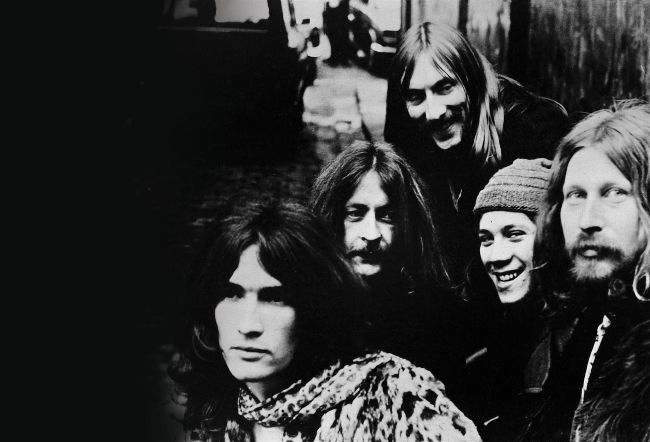
Cult heroes: Hawkwind circa 1971.
Image: Michael Ochs Archives/Getty Images
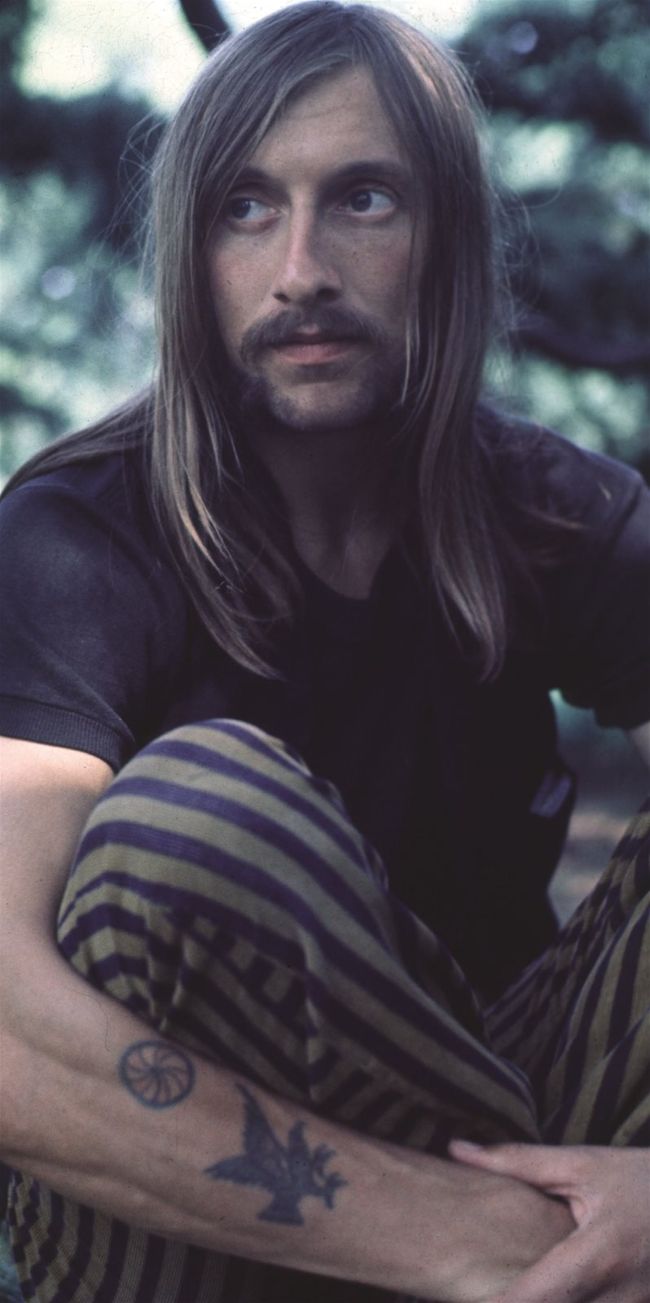
Dave Brock: cosmic troubadour.
PHIL FRANKS
Although favourites of the Ladbroke Grove scene, Hawkwind were still building their profile outside of London, and the addition of Anderson gave them more than just a musical boost. He’d become friendly with Angela Finbow, the live booker at the band’s management company, Clearwater, and Anderson’s future wife. “I used to sit beside her in their office – every time the phone would ring, I’d say, ‘If they want a particular band, see if you can get Hawkwind as support!’” he remembers.
Yet as heralds of the counterculture, playing the provinces was often a perilous enterprise. After a gig at Manchester University in January, the band were assaulted in their dressing room and required medical treatment, while at the Malvern Winter Gardens in March 1971, they were forcibly ejected from the venue after giving away free copies of underground magazine Frendz, ‘subversive literature’ in the eyes of the local authorities. And the band got their first piece of national press when the Daily Mirror reported the fracas that ensued when teenage drummer Terry Ollis was caught playing naked at the Breaks Youth Centre in Hatfield.