Ghosts In The Half Light
Released 20 years ago, Porcupine Tree’s Deadwing was the album that Lava Records hoped would turn over a profit. Although things didn’t quite work out that way, the band’s eighth studio record did raise their profile and launch them to American audiences. Steven Wilson, Gavin Harrison, Lava’s Andy Karp and scriptwriter Mike Bennion reflect on the journey that took Porcupine Tree from playing to 30 people to filling 1,500-capacity venues and even scoring a ride in Neil Peart’s Aston Martin.
Words: Dave Everley
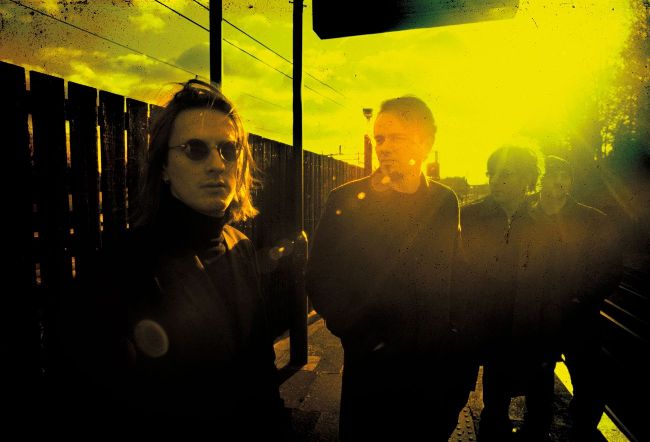
Porcupine Tree: on the up.
Images: Lasse Hoile
It usually takes a lot to throw Porcupine Tree for a loop, but watching a stripper gyrate to one of their songs in a club called Paradise Found managed to do just that. It was May 2005, and the band were playing Club Tundra in Syracuse, New York a couple of months after the release of their eighth album, Deadwing.
“Next door to the venue was this strip club, like a Bada Bing!/Tony Soprano-type of place,” recalls PT drummer Gavin Harrison of the gentlemen’s club the band found themselves in. “After we finished playing, they invited us in. So we go inside and they put on Shallow and some girl came onstage and stripped to it. We were encouraged to put five dollar bills into…” He mimes slipping money into some unspecified orifice. “It was surreal.”
In fairness, Mötley Crüe were never in danger of losing their crowns as rock’n’roll’s kings of debauchery to these intense, slightly awkward Brits. At the time, Porcupine Tree were barely known in the US outside of progressive rock circles and the more adventurous sections of the metal scene. Free entry to places like Paradise Found were the exception rather than the rule.
“I felt like I was at my peak in terms of writing around that time.”
Steven Wilson
Their previous album, 2002’s In Absentia, had been released by Lava Records, a subsidiary of major label powerhouse Atlantic. Artistically, that record had been a success, seeding a new strain of metal-edged progressive music that would inspire countless bands and come to be one of the dominant sounds within the prog scene. Commercially? Not so much.
Both the band and their major label paymasters were hoping that Deadwing would succeed where its predecessor failed, at least on a business level. Porcupine Tree’s singer, guitarist and driving force Steven Wilson knew how the game worked. Shallow – the song that unexpectedly soundtracked the stripper’s gyrations at Paradise Found – was his attempt to get his band some much-needed radio play. Other songs on the album, such as the gently pretty Lazarus and the knotty Halo, were no less palatable .
Everything Porcupine Tree did was on their own terms, though, and they weren’t willing to sacrifice their identity and integrity on the altar of success. Away from its sonic bright spots, Deadwing was dark, intense and occasionally claustrophobic, even when they were stretching out on songs that lasted 10 or 12 minutes. Its enigmatic air was matched by its not-quite-concept, a half-formed ghost story that remained tantalisingly out of reach.
Deadwing
providing food for thought.
“It was the first time I’d been a member of a band and really wanted to contribute to the writing and arranging of the songs, the mixing and the production.”
Gavin Harrison
Sandwiched between the twin high points of In Absentia and 2007’s Fear Of Blank Planet, Deadwing is overshadowed today by the more fêted albums that came before and after it. However, it stands as a key staging post in Porcupine Tree’s long, steady rise, and the central pillar of one of the most influential album trilogies in progressive music.
“I felt like I was at my peak in terms of writing around that time,” says Steven Wilson today. “You only have to look at some of the songs on that record – Lazarus, Arriving Somewhere But Not Here, Open Car… They’re some of the band’s best songs.”
That Porcupine Tree even ended up on a major label was a minor miracle in itself. The man who signed them was Lava Records A&R supremo Andy Karp, who had helped launch rapper Kid Rock to stardom at the turn of the millennium. Karp’s track record was deceptive – he was actually a huge prog fan who loved Genesis and Marillion. His success with Kid Rock had given him the leverage and flexibility to sign the kind of acts he wanted to sign. And one of those acts was Porcupine Tree.
“It was certainly unfashionable music at the time,” says Karp now. “It probably hadn’t been fashionable for 30 years. But I went to see them play at [New York club] The Bottom Line before Gavin joined, and I became convinced that they were worth signing. Jason Flom, my boss at Lava, took some convincing, but he placed enough trust in me to let me go ahead with it.”
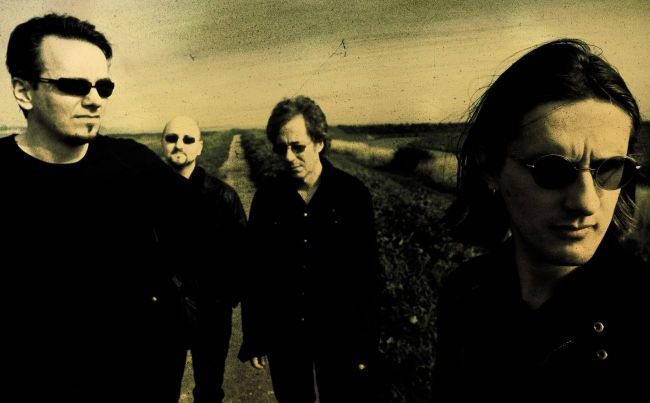
L-R: Gavin Harrison, Colin Edwin, Richard Barbieri, Steven Wilson.
“There’s always the frustration that it really should have reached more people and crossed over to a bigger audience. But I felt motivated enough to move into
Fear Of A Blank Planet
.”
Steven Wilson
Porcupine Tree began their major label adventure with In Absentia. It was a revolutionary album, augmenting Porcupine Tree’s already unique sound with a hard metal edge and elevated by new boy Gavin Harrison’s inventive drumming. In retrospect, it was way ahead of its time. Perhaps too far ahead – In Absentia sold better than any previous Porcupine Tree album, but it fell short of what was expected now they were in the big leagues.