Life, books and arts
Revisiting history
The National Trust has got into hot water for exploring the troubling side of the venerable country house. But the legacies of slavery and empire can no longer be ignored
DIANE ROBERTS
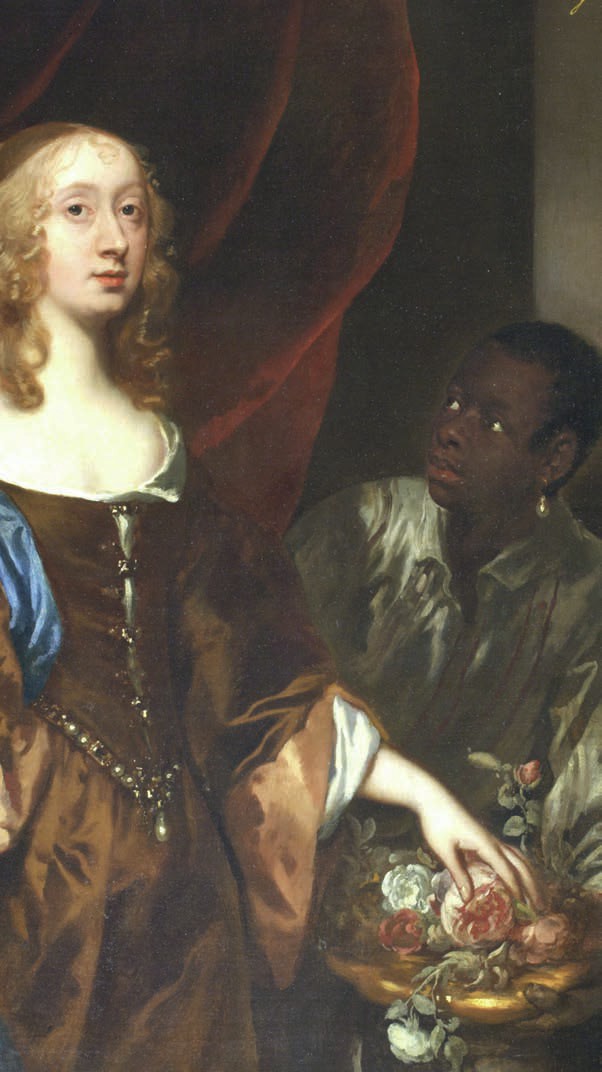
© NATIONAL TRUST IMAGES/JOHN HAMMOND
In Peter Lely’s 1651 portrait at Ham House, the Countess of Dysart stands stiff as starched lace, clad in blue and bronze silk. A black servant bends towards her, proffering a plate of roses. She gazes coolly out at the world; he looks up at her, perhaps admiring, perhaps wary. We don’t know his name. That’s often the case, though not always: the young black man kneeling at the feet of John Spencer (the six-times greatgrandfather of Diana, Princess of Wales), painted by George Knapton in 1744, was a slave called Caesar Shaw. In the 17th and 18th centuries, it was fashionable for rich white people to be painted with a black person carrying fruit or flowers, holding the horse’s bridle or the dog’s collar. There are scores of these portraits in museums and country houses, bearing testimony to the often overlooked black presence in the British past.
But after the world watched Derek Chauvin murder George Floyd on 25th May 2020, the voices demanding Britain confront both state violence against people of colour and the nation’s slaveholding past grew louder. Black Lives Matter protests hit the streets in London, Liverpool, Bristol, Glasgow and other cities. In response, Boris Johnson (a man who once referred to “cheering crowds of flag-waving picaninnies” greeting the Queen on Commonwealth tours) established the Sewell Commission on Race and Ethnic Disparities in July 2020.
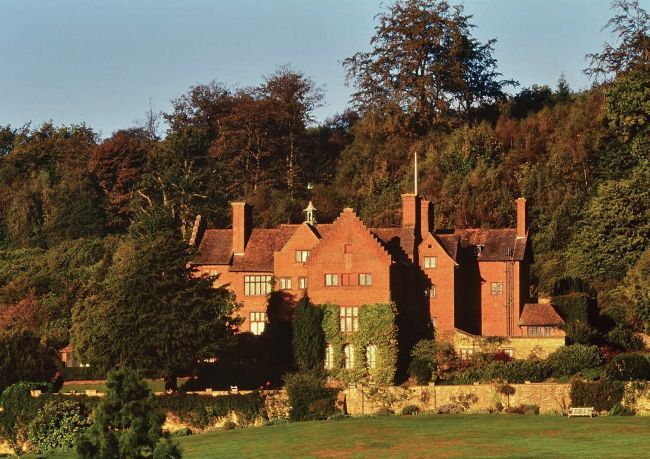
A quiet place in the country? Chartwell, Churchill’s country home in Kent, appeared on the National Trust’s list of “problematic properties”
© PARKER PHOTOGRAPHY/ALAMY STOCK PHOTO
As the ghosts of empire began to make themselves heard, conservatives feared that Britain was importing what Daily Telegraph columnist Calvin Robinson—who is himself black—referred to as our American racial “drama.” Responding to the British Black Lives Matter movement, as well as the outrage over the nothing-to-see-here Sewell report which came out in May, Robinson insisted that the UK is a “nation that has thrived on building a multi-ethnic society with equal opportunities for all.” The way conservatives want to cancel the story of how Britain was greatly enriched by slave plantations in the West Indies, and continues to be marked by institutional prejudice, is similar to the way the right wing in my home country of the United States likes to equate even talking about race with attacking white people and trying to destroy great figures of the past.