The war on bodies
A sweeping and sinister abortion law in Texas prefigures a wider collapse of rights that American women have enjoyed for half a century, and will embolden authoritarians everywhere. But, asks Mary Fitzgerald, have the fanatics overreached themselves?
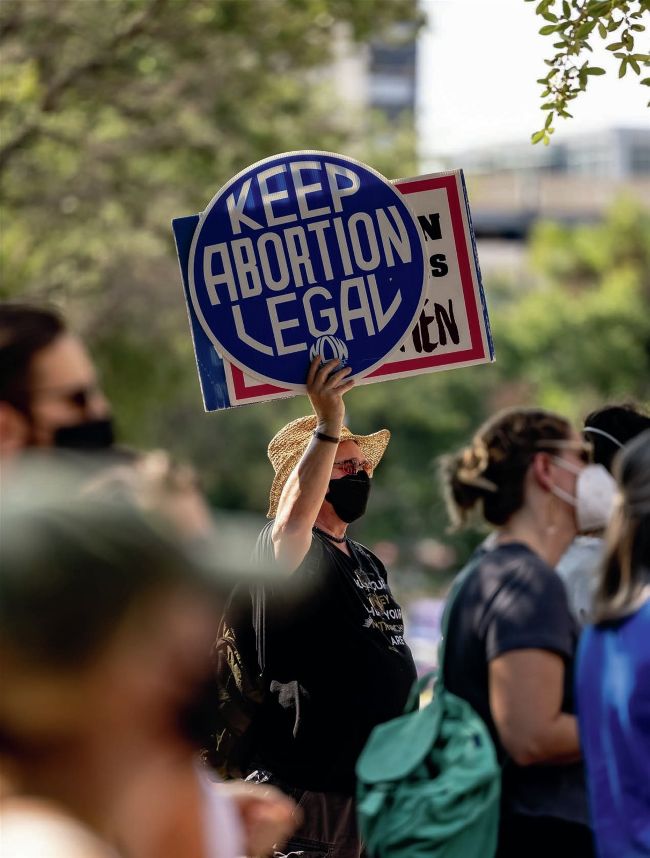
Lone star standoff: a rally outside the Texas State Capitol building, where legislators passed draconian new laws on abortion rights this September
© JORDAN VONDERHAAR/GETTY IMAGES
I’m one of the luckier ones. Among my close friends growing up, one was groomed and raped aged 14 by her 28-year-old “boyfriend.” Another was attacked and raped by someone she’d been dating (he was angry when she dumped him). Another was left with catastrophic injuries from childbirth, which made further pregnancies perilous. We were privileged, educated, fairly savvy teenagers, then young women, then mothers. Whether through shocking instances of violence, or the blurred edges of consent, or mundane contraceptive accidents, we all have our stories.
I thought about those stories when Texas’s draconian new abortion ban came into effect on 1st September. The law effectively forbids abortion after six weeks, even in cases of rape or incest; many other states plan to follow suit. I imagined the potentially life-changing consequences for any of us, had we been subject to such a law—if we’d been robbed of the right, say, as teenagers to protect our bodies from unwanted pregnancies or, later, to act in the best interests of our existing children. (More than half of American women seeking abortions are already mothers.) Worse still, the law hits those far less fortunate than us harder: women from poorer and ethnic minority communities, with fewer resources to travel, access information or to pay for out-of-state care.
For religious conservatives, this moment is both a major victory in a decades-long campaign, and a harbinger of more to come. The Supreme Court’s 5-4 decision not to act against the Texas law is the strongest signal yet that the Trumpstacked bench is on the cusp of overturning Roe v Wade, the landmark 1973 ruling that created a federal right to abortion. Its demise will most likely be formalised in December, when the court hears a case testing a 15-week abortion limit in Mississippi. More than 20 states have “trigger laws” ready; should Roe fall, they will immediately outlaw abortion across swathes of the country. It will be a potent rallying call for authoritarians peddling so-called “family values” across the world, from Hungary to Brazil.
And yet, will we look back and see this as a moment of fatal overreach for America’s anti-choice crusaders? Even as family planning services have been gutted for years across the US, activists and communities have been building alternative networks to serve women who need help: volunteers who will drive you across states, funds to cover your costs, and—most irrepressibly—pills you can order online. Roe may fall victim to a captured Supreme Court, with devastating consequences for many women. But the ground war will continue: county by county, state by state. And it’s not impossible that this latest power grab, imposed by an entrenched and increasingly anti-democratic minority, could ultimately lead to a decisive fightback for women—and liberal democracy.