Passports
Extracts from memoirs and diaries, chosen by Ian Irvine
Ian Irvine
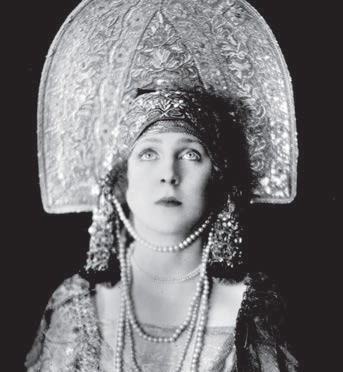
Diana Cooper, snapped in 1920 as herself, but in her passport posed as Cleopatra
APIC/GETTY IMAGES
The way we were
In 1641, John Evelyn recorded his arrival at the fort of Lillo, near Antwerp:
“The Governor… demanded my pass, to which he set his hand and asked for two rixdollars for a fee, which methought appeared very unhandsome in a soldier of his quality. I told him that I had purchased my pass at the Commissaries at Rotterdam, at which, in a great fury snatching the the paper out of my hand, he flung it scornfully under a table and bade me try whether I could get to Antwerp without his permission.”
Laurence Sterne in his novel, A Sentimental Journey Through France and Italy, described his travels in France in 1762:
“When I got home to my hotel [in Paris], La Fleur told me I had been inquired after by the Lieutenant de Police—The deuce take it! said I_I know the reason. It is time the reader should know it… I had left London with so much precipitation, that it never enter’d my mind that we were at war with France [the Seven Years’ War]; and had reach’d Dover, and look’d through my glass at the hills beyond Boulogne, before the idea presented itself; and with this in its train, that there was no getting there without a passport. Go but to the end of a street, I have a mortal aversion for returning back no wiser than I set out; and as this was one of the greatest efforts I had ever made for knowledge, I could less bear the thoughts of it; so hearing the Count de—had hired the packet, I begg’d he would take me in his suite. The Count had some little knowledge of me, so made little or no difficulty— only said, his inclination to serve me could reach no further than Calais, as he was to return by way of Brussels to Paris; however, when I had once pass’d there, I might get to Paris without interruption; but that in Paris I must make friends and shift for myself.—Let me get to Paris, Monsieur le Count, said I— and I shall do very well. So I embark’d, and never thought more of the matter.”