Body BREATHWORK
And breathe…
Breathing is one of the most intuitive things we do, yet our breath has the potential for so much more than simply oxygenating our bodies. Yasmina Floyer discovers how to unlock its power
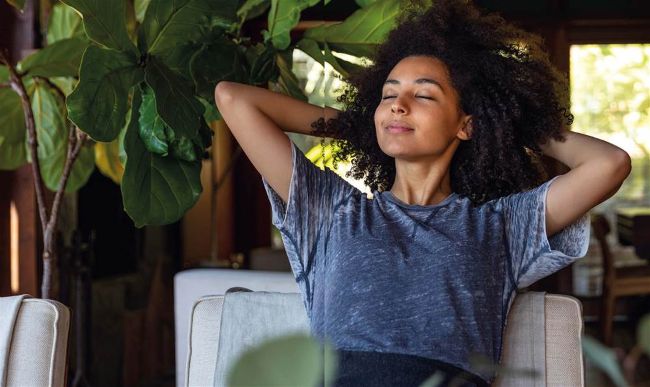
IMAGES: GETTY IMAGES
In my final year at university, I went for a job interview and was told I’d got the role before I left. My grades were excellent, I had an amazing boyfriend (now my husband) and a great group of friends. I made my way to the bus stop basking in a sky rinsed clear by the summer sun. And then I couldn’t breathe. Panic snatched the air from my lungs and I existed only as feelings: in the heartbeat knocking out a syncopated rhythm in my throat, in the aching tightness in my jaw and in my chest. I felt like I was drowning on dry land. It lasted no more than a minute. I was tired, I reasoned with myself. Dehydrated. I didn’t know it at the time, but I had just had my first panic attack. Since then, anxiety and panic have been constant companions.
The inextricable link between our mental and emotional wellbeing and our bodies is something I understand too well. ‘When we become stressed or anxious, our brain signals for the sympathetic nervous system to fire up the fight/flight response to help us attend to the threat,’ health psychologist and psychotherapist Dr Sula Windgassen tells me. ‘The impact of this can be physically noticeable, for example, we may find our palms sweating, our mouth going dry, or the need to urgently go to the toilet. A consistent effect of stress is an increased heart rate and shallow “chest breathing”, so that we inhale less oxygen.’ The period before lockdown and beyond saw me experience some of the worst panic attacks of my life. Waking up when you have severe anxiety is like having a bucket of ice-cold water thrown on you. There is a split second between sleep and cold dread. For me, appetite was replaced with fear, and my stomach was filled with it, leaving little room for food. Try a biscuit dipped in tea, take small bites, the kind voice on the anxiety helpline said when I would call in tears having failed to leave my bed. At times, I would sit and stare at the wall for hours, attempting to muster the mental energy to appear normal when my kids returned from school. The voices on helplines became harder to listen to over a noisy mind weaving a tapestry of catastrophe. I began to lose hope I would ever feel like myself again, and could not fathom a life where each day would be this painful to get through.