EXTENSIONS HOW TO ADD VALUE
Plan a successful scheme that makes the most of your time, effort and money, says Rebecca Foster
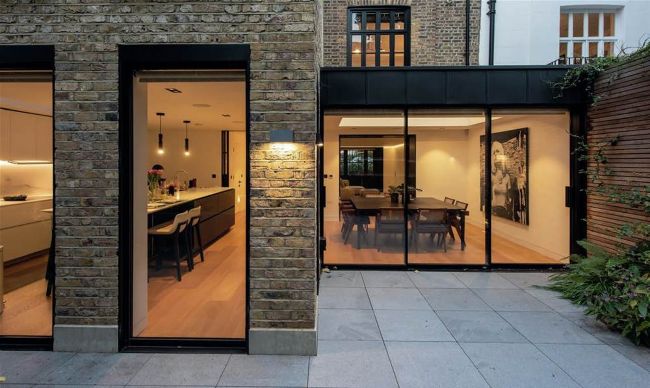
Though this extension by Daab Design hasn’t added a huge amount of space to the property, removing a 1970s conservatory has allowed for a complete rejig of the lower ground floor. As well as establishing a more user-friendly layout, the build provided a golden opportunity to upgrade the thermal fabric
GRANT SMITH
If you’re keen to add value to your home, boosting its size by adding an extension is one of the best ways to go about achieving your goal. Whether you’re eyeing up a contemporary kitchen-diner or a spacious master suite in the loft, there are several vital factors to think about if you want to create an inviting and practical space that integrates with the existing house. Many of your key decisions will be made during the design and planning phase of the project, before construction begins.
For a house extension to make financial sense, as a rule of thumb, the value it adds to the property should be greater than the total cost of the project. “Consider the ceiling price of houses in your area and how long you think you’ll live there,” says Ben Embrey, a senior associate at Base Architecture. “There’s no point spending a significant amount of money on an addition that wouldn’t be recouped if you sell in the future.” If the property you’re enlarging is your forever home, your priorities in terms of the overall build cost might be different. In this scenario, getting valuefor-money may be more important to you than end value.