URBAN CONVERSION OPPORTUNITIES
Keen to create a bespoke city home? Mike Dade explains how to identify potential candidates for transformation, plus the key planning factors to bear in mind
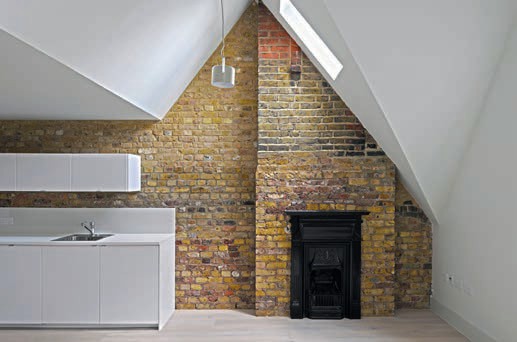
DAVID GRANDORGE
With urban plots in short supply, conversions provide viable opportunities to create new city homes. Recent changes to permitted development (PD) rights have enabled more projects of this type to be undertaken without the need to go through a full planning process. So, what opportunities are there, which ones fall under the PD umbrella, and what’s the best way to assess a likely candidate if you spot one?
Conversion basics
Any building that’s not currently in residential use could, potentially, be converted to a house or flat(s). Wide ranging PD rights are designed to facilitate this process. But where formal consent is required, councils have LP policies that control the process in particular areas. For example, change of use of shops might be restricted in primary retail areas, and loss of employment-generating uses are resisted in locations where the focus is commercial or industrial.
You’ll discover additional restrictions in conservation areas and where any listed buildings are involved. Some properties might also be designated as Assets of Community Value, which could include local pubs, libraries or health centres, where again, limitations would apply.