Heating, ventilation & cooling
From heat pumps to smart ventilation, here’s how to achieve consistent, low-bills and future-ready home climate control
WORDS CHRIS BATESMITH & DAVID HILTON
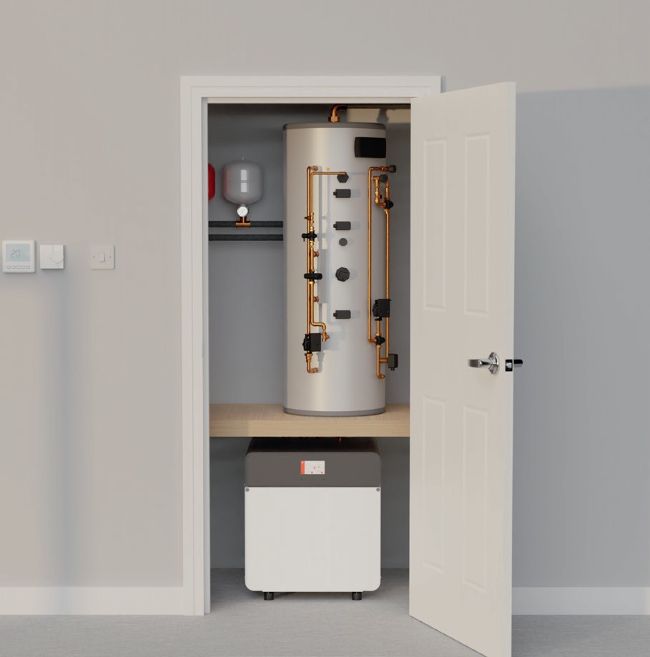
Available in 3kW and 5kW variants, Kensa’s Shoebox NX ground source heat pump offers a compact solution while still providing a manufacturer’s coefficient of performance (COP) of 4.40 – meaning that, in optimum conditions, it’s capable of delivering over 4kW of heat for every 1kW of electricity
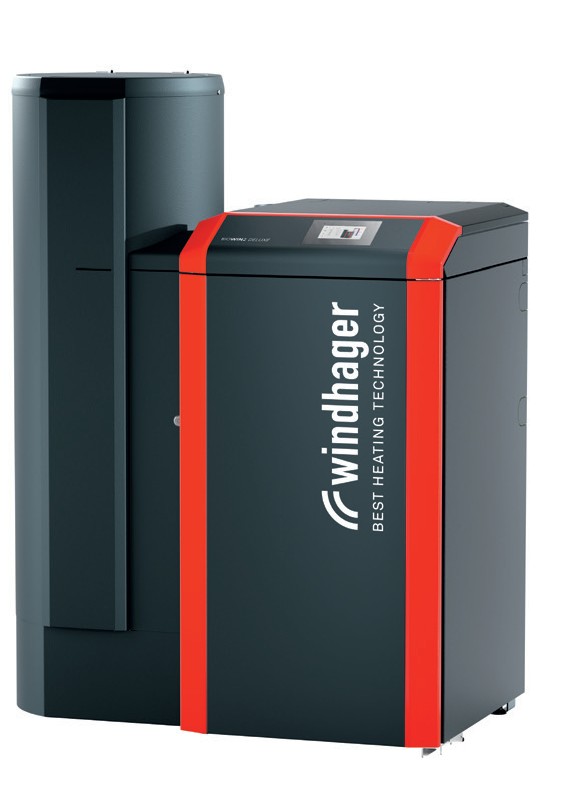
Available in sizes from 10kW to 33kW, Windhager’s Biowin2 Deluxe pellet boiler is 93% efficient and features intuitive touch screen control, a two-yearly maintenance schedule and a five-year warranty
Controlling your homes climate effectively is about more than staying cosy in winter. The right system will optimise performance, keep bills down, minimise future maintenance and ensure a consistently comfortable environment year-round. The best solution for you depends on factors such as:
● Space heating demand.
● How airtight the house is.
● The emitters you choose (eg radiators or underfloor heating).
● Provision of domestic hot water.
● Your priorities on upfront costs, ongoing bills and carbon emissions.
By balancing these factors, your project team will be able to start piecing together the right size and specification of systems to deliver your goals.
Central heating options
Assuming you’re aiming for a well-insulated, airtight home, the space heating demand is likely to be pretty low. So, most systems will run efficiently. Once the government’s Future Homes Standard (FHS) kicks in, it’s likely that new build homes will no longer be able to connect to the gas network. The final regulations are expected in late 2025, becoming law from December 2026, triggering a 12-month transition period for projects to conform.