ALBUM BY ALBUM
THE CURE
FRONTED BY THE IRREPRESSIBLE ROBERT SMITH, THE CURE QUICKLY OUTGREW THE POST-PUNK SCENE TO FORGE THEIR OWN DISTINCTIVE WILD-HAIRED PATH ON A STRING OF CLASSIC ALBUMS THAT SET THE BENCHMARK FOR GOTHIC ROCK
JON O’BRIEN
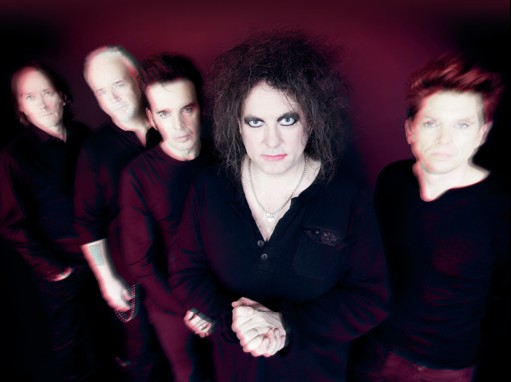
© Andy Vella
First uniting at Crawley’s Notre Dame Middle School in 1973, the group’s frontman Robert Smith, guitarist Michael Dempsey and drummer Lol Tolhurst would go through multiple lineup changes, and names (Malice, Easy Cure), before settling on their more familiar moniker just in time for their signing to Polydor offshoot Fiction five years later.
Recorded after-hours at London’s Morgan Studios once The Jam’s session had finished for the day, debut LP Three Imaginary Boys arrived soon after. But this era was arguably defined by two standalone singles that sandwiched the album’s release.
Referencing a line from Albert Camus’ 1942 novella The Stranger, the provocatively titled Killing An Arab inevitably thrust the band into the spotlight for all the wrong reasons, while the uncharacteristically perky indie-pop classic Boys Don’t Cry, remains for many the band’s signature tune.
Smith quickly distanced himself from Three Imaginary Boys, too, arguing that manager/producer Chris Parry demanded too much creative input (“A lot of it was very superficial. Even when we’d made it, I wanted to do something I thought had more substance to it,” he told Spin). Yet while the record pales in comparison with giant post-punk leaps from Joy Division, The Fall and Gang Of Four – all of which hit the shelves that same year – there’s plenty to admire about its primitive state.
PENNED BY SMITH WALLOWING IN MISERY AT THE KITCHEN TABLE, 10:15 SATURDAY NIGHT SETS THE TONE
Penned by a 16-year-old Smith while wallowing in misery at the kitchen table – hence the sound of a dripping tap – opening track 10:15 Saturday Night sets the tone for one side of the group’s entire career. So What must surely be the finest song to crib lyrics from a packet of sugar’s special offer (“Only £3.30/ Save £1.52 on recommended retail price”). And it’s easy to see why Grinding Halt – an energetic burst of herky-jerky power pop – has remained a live favourite.
But closer The Weedy Burton, a limp instrumental dedicated to guitar tutor Bert Weedon, and a pointless Dempsey-sung rendition of The Jimi Hendrix Experience’s Foxy Lady, still the only cover The Cure has committed to record, perhaps explains Smith’s disdain. “I had dreamed of making an album, and suddenly we were making it and my input was being disregarded,” he later told Rolling Stone. “I decided from that day on we would always pay for ourselves and therefore retain total control.”
THREE IMAGINARY BOYS
Released 1979
Label Fiction
Chart Positions UK No.44 NZ No.37
Inspired by their experiences opening for Siouxsie & The Banshees, Smith embraced the gothic for album number two, much to the ire of the more conventional guitar-band exponent Dempsey, who left to join The Associates.
Having recruited Simon Gallup and keyboardist Matthieu Hartley, both formerly of post-punk outfit The Magazine Spies, to help develop his vision, the newlyexpanded quartet once again headed off to Morgan Studios. Only this time, they had just seven days and a paltry £3,000 to play with. That’s why haunted house instrumental The Final Sound lasts just 52 seconds (they simply ran out of tape). It may also explain why the rest of the album appears far more disciplined than its more freewheeling predecessor.
Indeed, joining the latter’s engineer Mike Hedges as co-producers, The Cure made their lack of resources work to their advantage, creating an array of resolutely gloomy yet constantly intriguing tunes which didn’t waste a note.
The minimalistic interplay of instrumental opener AReflection is typical of the austere atmosphere ahead, with the likes of In Your House, At Night and the closing title track all pursuing a sense of bleakness which, as Hedges succinctly summarised in the album’s deluxe edition liner notes, had an entire disregard for “commercialism or potential popularity.”