Grainer Truth
Delia Derbyshire’s otherworldly arrangement of Ron Grainer’s Doctor Who theme ensured it became the most haunting of earworms.
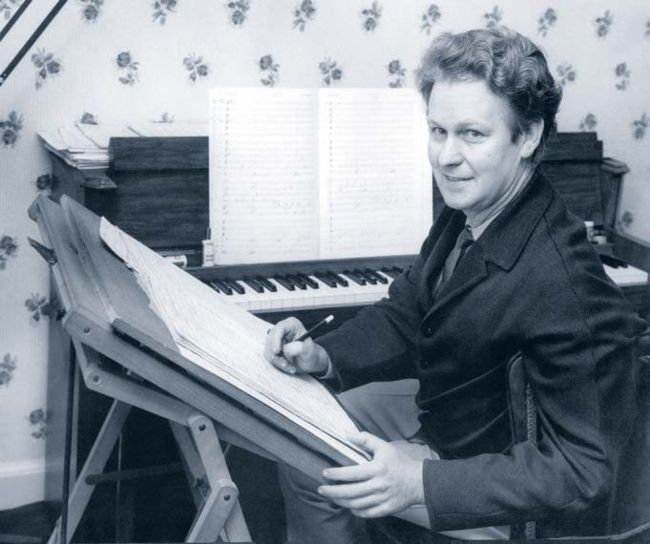
Doctor
Who
theme-tune composer Ron Grainer.
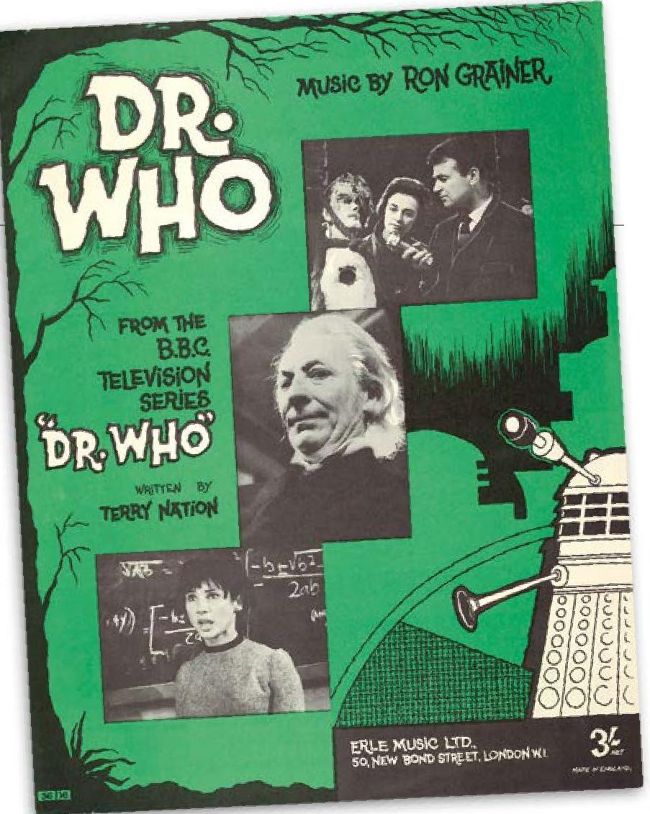
The sheet music for the theme was published in 1964.
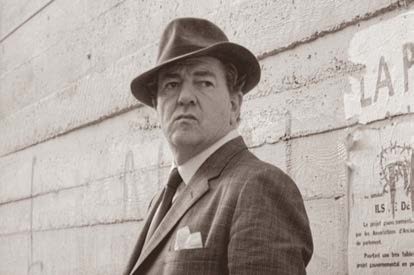
Rupert Davies as Parisian detective Maigret. Grainer wrote the theme tune to this acclaimed series, which ran from 1960-63.
It’s had children running into the front room – or running for cover – for 60 years. Whenever Doctor Who is mentioned, its theme music is one of the things that most people think of first. Chances are, it’s playing in your head as you read these words.
While the theme’s arrangement has changed several times, it’s always stayed more or less true to Ron Grainer’s original composition and Delia Derbyshire’s realisation of his ‘swoop’ and ‘wind bubble’ directions. From the moment those unearthly notes first echoed from television sets in November 1963, it’s been one of the most recognisable theme tunes there is. And yet it owes so much to exactly where it came from in, well, time and space.
Ron Grainer had written some of the biggest television themes of the day, including Maigret (1959-63), That Was the Week That Was (1962-63) and Steptoe and Son (1962-74), but Doctor Who was an entirely different prospect. Immediately prior to composing the Doctor Who theme, he’d been working on a BBC television adaptation of The Old Curiosity Shop, the comic playlet Benny Hill and the Mystery of the Black Bog and the trade-test transmission film The Home-Made Car. Using the BBC Radiophonic Workshop to realise Grainer’s music (as opposed to a small orchestra, perhaps) was an inspired move on the part of original producer Verity Lambert, but it was also a costconscious one and even, to some extent, a bit risky. The Workshop’s avant-garde efforts weren’t always universally popular, and for every viewer who wrote in to ask how Maddalena Fagandini’s theme for BBC TV’s The Chem Lab Mystery (1963) was made, there was another complaining that her time signal for the BBC clock was driving them to distraction. Delia Derbyshire herself had recently been working on a collection of horns and engine splutters to introduce the teach-yourself television series Know Your Car, together with an assortment of mock-medieval dances for the schools’ radio show Music, Mime and Movement.