TALKING TECH
Taking the Fight to the Millennium Bug
We sat down with a retired IT engineer to discover what it was like to face the Y2K bug
We’ve decided to take a step back and look at perhaps the computing world’s most complex technological predicament—the Y2K bug. You can read all about that on page 32, but we wanted to take it further, and interview a man who was on the ground through it all.
BY IAN EVENDEN
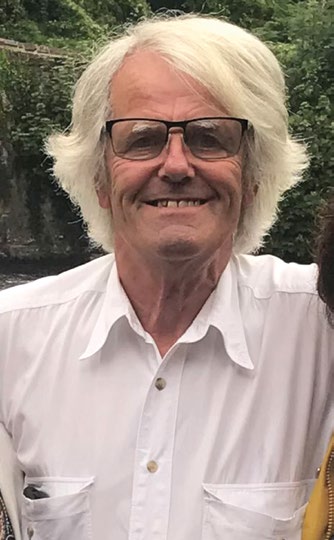
Richard Hassett was an engineer and programmer, working in the IT departments of big business at the turn of the millennium.
Richard Hassett was working with large and mid-range IBM machines in the run-up to the millennium that were interacted with through a network of dumb terminals. As part of the enormous effort required to “fix” the Y2K problem, he spent a lot of time making sure they were ready for the transition.
MPC: Hi Richard. We know what happened in theory, with integer overflows making life hard for any computations that relied on dates, but what was your experience of Y2K?
Richard Hassett: I only became aware of it a few years before the millennium, but it goes back a bit beyond that. We were told in the 70s that a program you write today will last about eight years or so. As it happened, it didn’t work out that way because basically, you’d take a program, update it, and keep a lot of the old code in there, but some became redundant… That’s why old programs were still being used when we got to 2000.