BETTER BE GOOD TO ME
TINA TURNER 1939-2023
From a broken home, via enslavement to abusive bandleader husband Ike, to late-career vindication, TINA TURNER was a fighter with a voice that throbbed with her life force, and carried the struggles and stories of us all. “Nobody was better in terms of interpreting a song,” discovers VICTORIA SEGAL
PORTRAIT: JACK RORHSON
"WE’RE GOING TO STOP THE MUSIC FOR JUST A FEW minutes now,” announces Tina Turner, standing at the edge of the stage of Los Angeles’s Moulin Rouge club on November 29, 1965 and looking out into the screaming crowd. “Because I want to ask you something. If there’s anyone in this house that’s ever been hurt, then I want you to say…” She throws back her head in a howl, and the audience – largely plaid-pleated, round-collared highschoolers – join in.
That calm before the storm is a rare still moment in The Ike And Tina Turner Revue’s set for The Big TNT Show – recorded for a concert movie release early the following year. Playing at the invitation of the film’s producer, Phil Spector, the Revue were on a bill that included The Byrds, Ray Charles, Donovan and Bo Diddley. They were the last band on: nobody wanted to repeat the mistake made by The Rolling Stones at the event’s 1964 predecessor, the T.A.M.I. Show, when they were hapless enough to follow James Brown at his incendiary best.
From the second Turner and The Ikettes gallop on stage to begin a furious, maraca-fuelled version of Sam Cooke’s Shake, it’s clear that was a wise move. The relentless pace is not only set by the floorshaking vibrations of the dance routine but also the wild emotional lurches and shifts. Turner, arms windmilling, boots twisting, pivots from It’s Gonna Work Out Fine’s coy call-and-response with husband Ike to the heartsick abjection of James Brown’s Please Please Please with barely a breath between them. She might not fall to the ground or be wrapped in a cape like Brown, but there’s a similar kinetic drama, an explosive tension. As Turner said in 1975 when challenged about her sexual on-stage image, the “shimmying skirts” and flying hair served a purpose: “I want action on that stage at all times.”
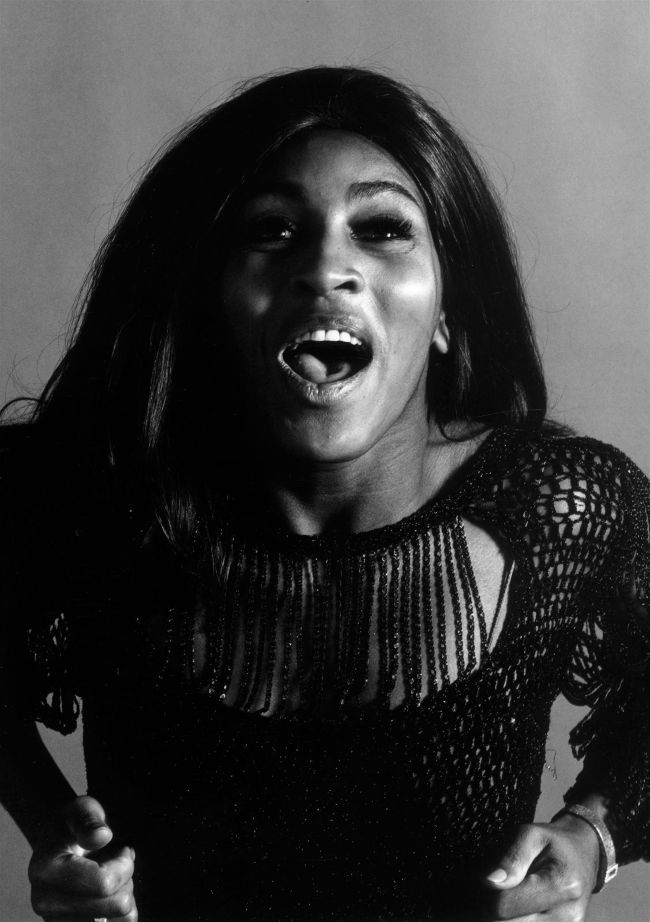
Simply the best: Tina Turner, 1969.
Jack Robinson/Getty
Turner, who died on May 24, aged 83, made it clear in later life that she wanted to slow down, to enjoy a proper retirement after a period of illness, and let 2018 jukebox musical Tina and Daniel Lindsay and TJ Martin’s 2021 documentary of the same name provide the full-stop on her working life. Watch this footage, though – or pretty much any footage from The Ike And Tina Turner Revue’s turbulent 16-year existence – and that action is still on-stage at all times. It’s the drive that transformed her music and her life again and again, that allowed her to push herself away from her miserable childhood, free herself from her abusive marriage to Ike, and take control of a remarkable second act in the ’80s and ’90s. As she said with quiet understatement in 2018, “my life is quite a story.”
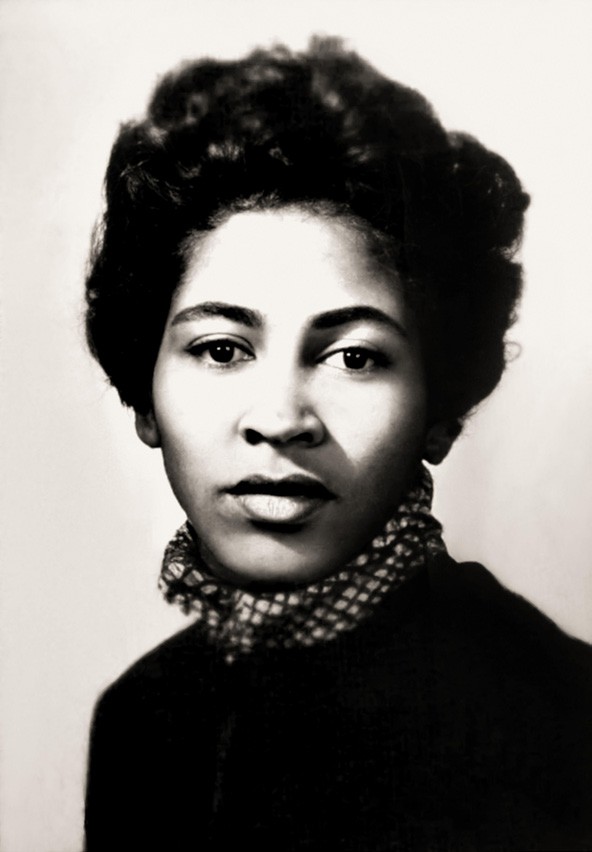
“I want action on that stage at all times”: Anna Mae Bullock, aged 17;
Kevin C. Goff/RPMarchives, Alamy, Laurens Vanhouten, Condé Nast, Shutterstock, Getty, Adrian Boot/Urbanimage