THE MOJO INTERVIEW
Juvenile delinquent-turned-rock’n’roll original, he navigated hard drugs, Buddy’s plane crash and a crazed Phil Spector to enjoy multiple reinventions. The constant? “If I pick up a guitar and play, it’s just Dion music,” says Dion.
Interview by BOB MEHR
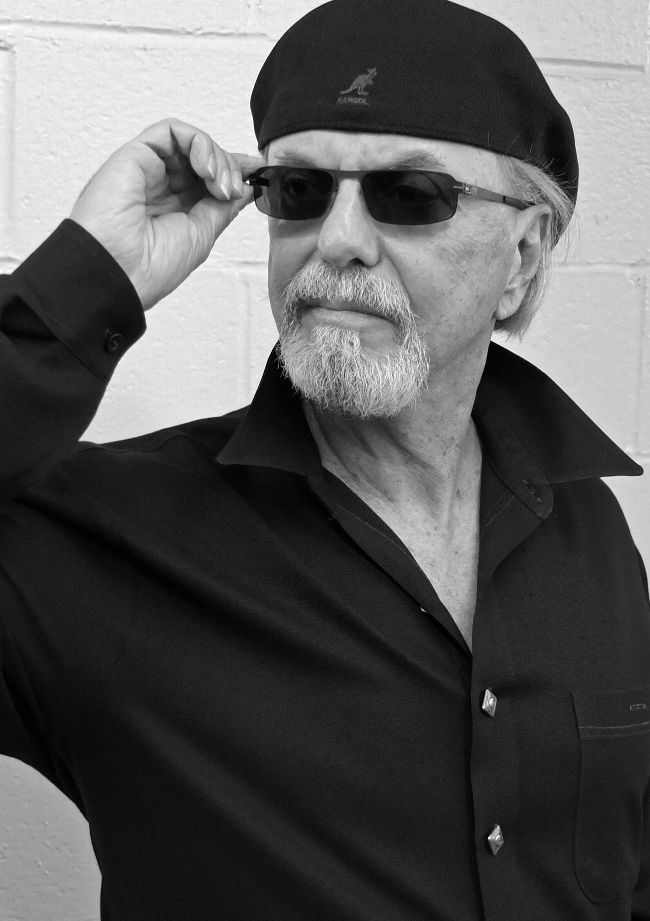
Portrait by DAVID GODLIS
“SU CCESS IS GREAT,” SAYS DION DiMucci, reflecting on the hard-earned lessons of a 70-year career, “but success and fulfilment are two different things. You have a hit record, and it’s like a narcotic – you get high on that but it doesn’t mean you’re going to be happy. There was a time I had gold records on the wall and a lot of money in the bank, and it didn’t do anything for me. I’m in a much better place now.”
At 86 years old Dion is truly The Last Man Standing. Present at the dawn of rock’n’roll’s big bang, he scored early doo wop hits fronting the Belmonts and then turned out a series of epochal sides as a solo artist (Runaround Sue, The Wanderer). He was there the Day The Music Died, on tour with Buddy Holly, but was spared from the crash that claimed his life. He would become the first rock act signed to Columbia Records, made increasingly deep and challenging music as the ’60s wore on, ended up on the cover of The Beatles’ Sgt. Pepper, and scored an era-defining folk-pop hit in Abraham, Martin And John, while serving as a model of cool for David Godlis, John Nacion/Getty several generations of East Coast rockers from Paul Simon to Lou Reed to Bruce Springsteen.
Despite the New York Yankees cap on his head and his undiminished Bronx vowels, on this fall morning Dion is holding court at home in South Florida, where he’s lived since the late ’60s with his wife Susan Butterfield (the couple, together since their teens, married in 1963). He came to the Sunshine State in an effort to beat a heroin addiction he’d nursed all through his years of stardom. “I fled New York and came here for a geographical cure,” he says.
The last decade has been a particularly active one for the singer who’s looked back with a series of archival releases and a memoir – and moved forward with four new studio albums of blues-based celebrity collaborations. It’s a run of work that culminates in a new multi-media book and LP project called The Rock’n’Roll Philosopher, where he revisits the songs and stories that have shaped his life and career.
That Dion continues to be active and vibrant into his ninth decade (there’s also a jukebox musical of his life, The Wanderer, headed to Broadway next year) should come as no surprise. “My mother lived to be 104,” he says. “She was like a tank. And I’ve been taking pretty good care of myself – I haven’t drank or drugged for 57 years. I always liked going to the gym, boxing, swimming, lifting, just moving around. Plus, I got a good woman by my side for the last 62 years. That helps, too.”
You were born in 1939 and came up listening to music long before there was such a thing as rock’n’roll. What were the first things that caught your ear?
Growing up my father had some favourites. One was Burl Ives, who was kind of a folk singer. And Louis Prima, who was a rhythm singer – and I really consider myself a rhythm singer. And Al Jolson, who probably seems corny today, but he was such an expressive guy. He was like an expressionist. I grew up listening to those three guys. Later, when the Ed Sullivan show would be on Sunday nights, someone like Vic Damone would come out and sing in this beautiful voice. He sounded like he’d just come from voice lessons. But then this old guy, [the gravelly-voiced comedian] Jimmy Durante, would come out and sing: “Fairy tales can come true…” And I thought, Man, now this guy is a great singer. He can really communicate a lyric. Even as a youngster I sensed it wasn’t about having a beautiful voice but inhabiting the character of the person singing the song.