Days Of Future Passed
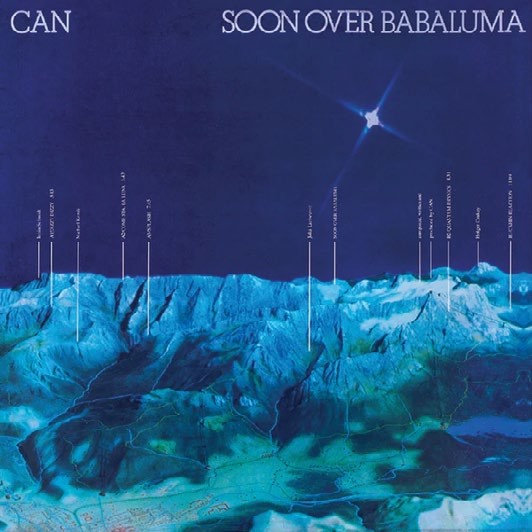
Half a century on from the release of their first post-Damo Suzuki release, Soon Over Babaluma, Can remain one of the most unique bands out there. As their late-period live albums campaign continues, keyboard player Irmin Schmidt looks back on the creation of their fifth record and explores the genius of the krautrock pioneers.
Words: Chris Wheatley
Soon Over Babaluma
PRESS/ MICK ROCK
Of all the exceptional bands that emerged from Germany during the 1960s and 70s, none were more daring than Can. The pioneering group are now back in the public eye thanks to their ongoing series of archival live performances. They have also been celebrating the 50th anniversary of Soon Over Babaluma, the band’s first studio release following the departure of charismatic frontman Damo Suzuki in 1973. Vocals on Soon Over Babaluma were handled by Can’s guitarist, the late Michael Karoli, and keyboard player Irmin Schmidt. The latter, now 87, is still very much with us –he and original vocalist Malcolm Mooney are the only surviving members of the band’s early and classic eras, following the passing of Suzuki last year.
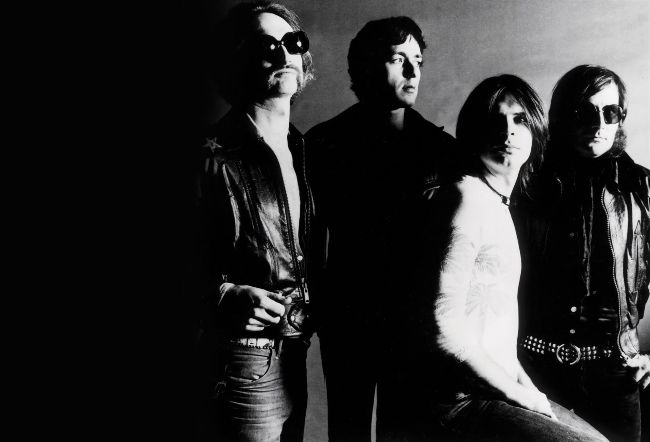
a promo shot for the album.
“It happened in the 1960s,” says Schmidt, pondering the significance of the great wave of German musical invention that spawned Can. “One generation after culture was cancelled and ruined and devastated, when the courage arose not to imitate, but to create something that could only be done when you grew up in this country.”
The keyboardist was born in Berlin in 1937, and the war had a profound effect on his childhood.
“I was looking for other people who were based in jazz or in contemporary electronics, and also in the most recent contemporary music: rock. I wanted to create an ensemble, a group, where the members had roots in different genres.”