The Duel
Should we ban meat?
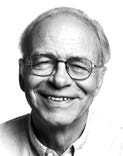
Peter Singer
YES

Cal Flyn
NO
YES
The commercial production and sale of meat from animals killed for that purpose should be banned for three reasons. First, right now, the most important challenge the world faces is to reduce greenhouse gases sufficiently to limit temperature increases to 1.5C above pre-industrial levels. According to the UN Food and Agriculture Organisation, livestock is responsible for 14.5 per cent of all global emissions. Current trends in meat production make it impossible to limit warming to 1.5C. Banning meat production worldwide makes it achievable.
Second, banning meat is the best way to reduce the risk of another pandemic, perhaps caused by a more lethal virus than the one we are now battling. The 2009 swine flu pandemic came from a factory farm and there have been several bird flu epidemics in recent years. And, of course, we feed antibiotics to farm animals to sustain our system of industrial farming. This causes a rise in antibiotic resistance, making our infections more dangerous and contributing to 700,000 human deaths each year.
As for my third reason, when I became a vegetarian in 1971 I didn’t know anything about climate change or pandemics. It was enough for me that animals reared in factory farms lead miserable lives and that transport and slaughter can also be horrific. (Search online for “Intermarché sow slaughterhouse in Briec” and watch the video.)
Ending the commercial production and sale of meat from animals will give a huge boost to the rapidly growing cellular meat industry. Ninety years ago, Winston Churchill predicted that within 50 years we would “escape the absurdity of growing a whole chicken in order to eat the breast or wing, by growing these parts separately under a suitable medium.” His timing was out, but today cellular chicken is on sale in Singapore— real chicken, climate friendly, environmentally benign, virus-free, produced with zero suffering. Cellular beef, fish, and dairy products are on the way too. Let’s give them a boost.