Coming up roses By
The classic flower of British gardens has a reputation for being demanding – but centuries of breeding have turned the rose into the tough survivor our gardens need in today’s changing climate
LUCY HALL
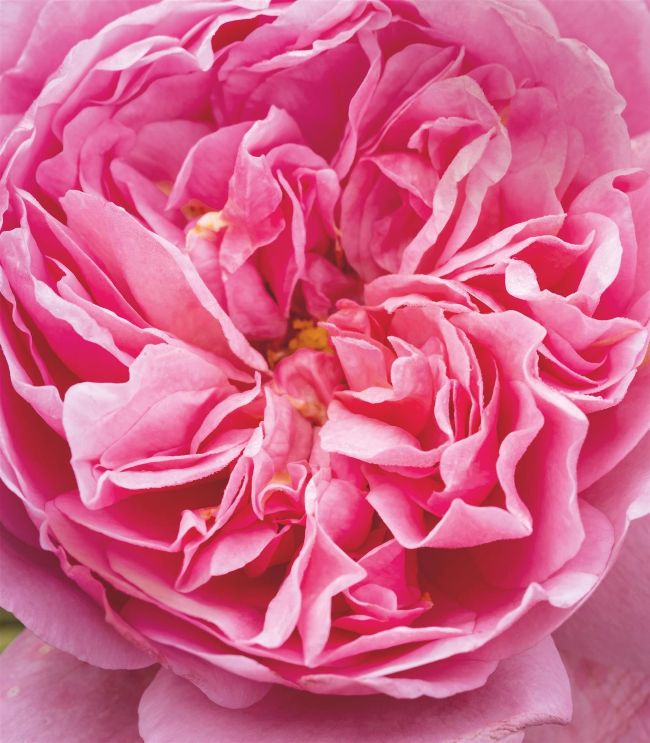
GAP PHOTOS
When the Victorian archaeologist Sir William Flinders Petrie ventured deep into the Egyptian burial chambers of Hawara, he was astonished to find an 1,800year-old funeral wreath of roses – dried and perfectly preserved under the dust and sand. Originating in what is now Ethiopia, the roses were identified as the holy rose, Rosa sancta, and sent to the Herbarium at Kew Gardens for preservation, where they remain to this day.
While these are said to be the oldest form of roses in existence, fossils of the Oligocene era dating back over 30 million years suggest that roses were on Earth long before mankind appeared. But they’ve had symbolic meaning in human society for millennia, woven into religious, medicinal, cosmetic and cultural rituals – from the ancient healers of China and Mesopotamia to the funeral rites of classical Greek and Egyptian nobility, in the revelries of Roman times, royal coats of arms in Renaissance Europe, and gestures by lovers from Victorian society onwards. When you say it with roses, you really are following in a long tradition.
As a decorative plant, they’ve fallen in and out of fashion in the past century, but their current ascendance once more as the UK’s most popular garden plant is thanks in large part to their longevity and resilience, as well as beauty and variety.