ALL HANDS ON DECKS
The PC handheld scene is exploding, but can Valve’s Steam Deck be toppled?
BY DAVID MEIKLEHAM
When we previously took the temperature of the expanding handheld PC gaming market in E386, Valve’s Steam Deck was unquestionably the palm-friendly machine to beat. Logitech’s G Cloud streaming solution wasn’t entirely convincing, while Valve’s closest rival in the more powerful Asus ROG Ally wasn’t as intuitive to use as a Steam Deck, mostly because of its Windows 11 OS. Almost two years later, little has changed, with Valve’s breakout handheld continuing to see off all comers. And yet more competitors have emerged, leaning on ramped-up screen sizes and processing power as brute-force methods of standing out.
Of the succession of handheld PCs – or PC game decks, as they have also come to be known – that have arrived in the past two years, none has made the same impression as the original Steam Deck, while Valve has also made its hardware more appealing since its debut, launching a revised model with an upgraded screen in November 2023. With a vivid 7.4-inch HDR OLED display capable of 1,000 nits peak brightness and a 90Hz refresh rate – up from the original Deck’s 60Hz – the latest model is a significant upgrade on its predecessor. Its slight performance boost and 60 per cent longer battery life over the LCD model makes it the PC game deck to beat in 2025, even well over a year after its launch.
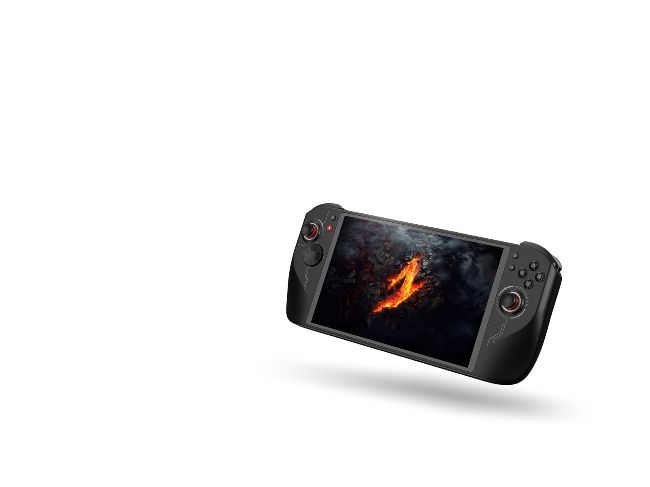
First up in the race to supplant Steam Deck was Lenovo’s Legion Go, which actually launched a month ahead of Valve’s upgraded model. On paper, there is no contest between the devices in terms of specs. At 8.8 inches, its 1440p touch screen is considerably larger than Valve’s 720p approach, while its Switch-like detachable controllers can also be used as quasi mice in ‘mouse mode’, primarily to give players more precision in firstperson shooters.
Initially launching at a hefty £699 for the 512GB model, this was a device designed to crush Steam Deck in terms of pure performance. Utilising a Ryzen Z1 Extreme CPU, considerably more powerful than Steam Deck’s 6nm AMD APU, Lenovo offered an immediate advantage. And although the Legion Go screen adopts an IPS panel rather than a higher-quality OLED display, its QHD+ approach boasts a 144Hz refresh rate, which makes less graphically intense games feel particularly responsive.
Despite such performance advantages, however, Lenovo’s machine failed to make the kind of impression its specs were aiming for. That its UI is a good deal clunkier than Steam Deck’s intuitive SteamOS interface certainly didn’t help its chances, nor the fact that playing games at less than its native 1440p resolution can produce distinctly subpar visual results. Taking these factors into account, it’s no surprise that Lenovo has released an updated model less than two years after the original debuted.
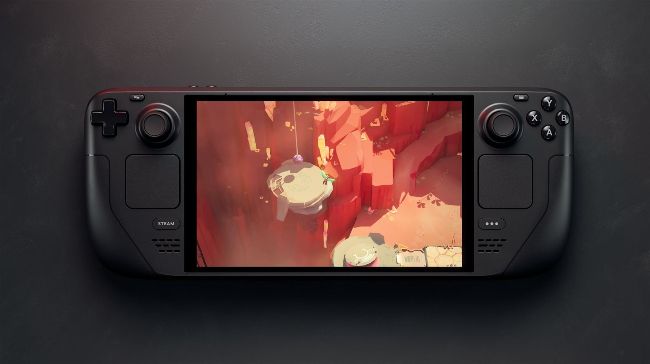
With an estimated 4m sales to date, Steam Deck is by far the PC handheld category leader.