TREVOR HORN
"TWO TRIBES WAS LIKE DRIVING A CAR OFF A CLIFF!"
HE'S THE MAN WHO DEFINED THE SOUND OF THE 80s. NOW TREVOR HORN IS BACK WITH AN AUDACIOUS SOLO ALBUM THAT REINVENTS A WHOLE HOST OF CLASSIC SONGS FEATURING AN ALL-STAR CAST OF COLLABORATORS INCLUDING SEAL, MARC ALMOND, RICK ASTLEY AND IGGY POP. WE MEET THE PRODUCER WHO TAKES US BEHIND ITS CREATION AS WELL AS HIS FORMER LIFE SHAPING THE SONIC LANDSCAPE OF THE CHARTS.
SIMON PRICE
Not all wizards wear capes. Some wear thick-rimmed glasses. Trevor Horn is the Emeritus Professor figure of the New Pop of the 1980s. Sipping a mug of tea in a conservatory on a grotty English autumn afternoon, he has the relaxed but authoritative air of a man who has nothing left to (im)prove.
Between 1979 – his arrival as leader of the Buggles – and the petering out of the Frankie Goes To Hollywood project circa 1986, Trevor Horn established himself as the producer who all other practitioners of the pristine called ‘boss’. His rise truly began when he coaxed the washed-up pop duo Dollar into making the best three singles of their career, pulling a similar Henry Higgins-esque stunt to that carried off by Nile Rodgers and Bernard Edwards with Sister Sledge, and creating a sonic calling card from which all else followed, most importantly ABC’s still-peerless The Lexicon Of Love.
Along the way there were excursions into avant-pop with Malcolm McLaren and with his own Art Of Noise collective, the founding of the pioneering ZTT label (“Gosh, ZTT, that was a time”, he understates), and even a brief stint as a member of Yes (a gig for which wearing a cape might well be excused). As a producer, he also applied his Fairlightand-faders magic to, among others, Propaganda, Grace Jones, Godley & Creme, Spandau Ballet and, of course, the aforementioned Frankie. By that group’s mid-80s zenith Horn had, perhaps more than any other individual of that era, changed the sound of pop, bringing to it a new cleanliness, precision and perfection. Further successes followed, notably with Seal, but his work as an architect was done, creating the shimmering citadel of possibilities in which others could play.
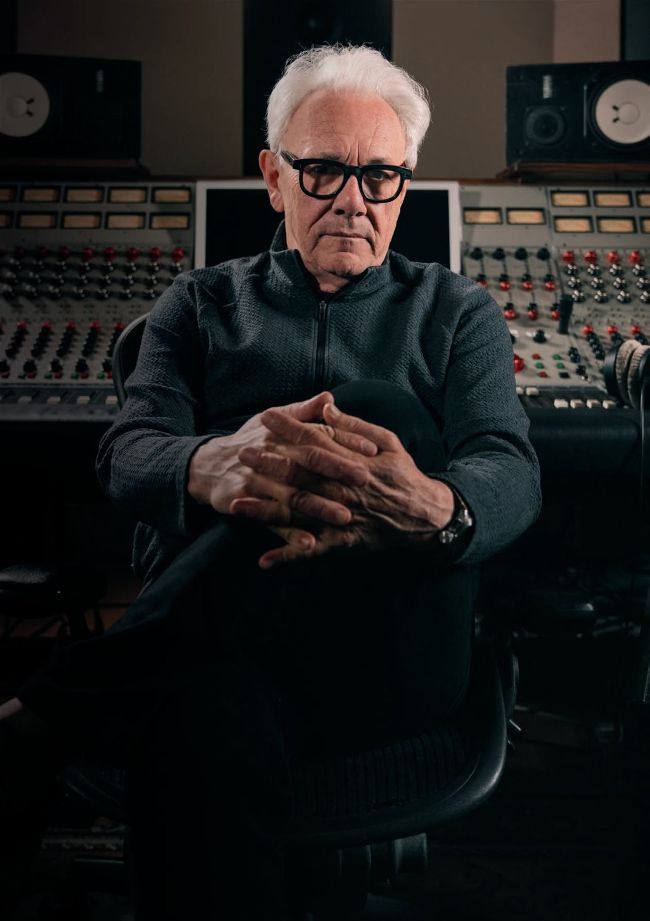
Horn Of Plenty: Trevor has worked with everyone from ABC and Frankie Goes To Hollywood to Grace Jones, Pet Shop Boys and his favourite artist, Seal
© Solar Jupiter Photography

Echoes
follows the producer’s 2019 project Trevor Horn Reimagines The Eighties that featured All Saints, Robbie Williams, Simple Minds and Tony Hadley
© Solar Jupiter Photography
"WHEN MARC SINGS 'WE ARE YOUNG', IT PUTS IT IN A COMPLETELY DIFFERENT CONTEXT. IT MAKES IT LIKE A TORCH SONG..."
In the 20th century, one constant thread through Horn’s projects has been a desire to re-evaluate and re-frame his greatest moments in a more artful manner than merely whacking out a compilation and touring the hits.
The Producers, a band he formed with 10cc alumnus Lol Creme but sadly never considered calling Creme Horn (“We’d put those two things together occasionally, in some contexts, but mainly as a joke”) recorded one album of original material, 2012’s Made In Basing Street, but their most extraordinary moment came when they deconstructed/ reconstructed Frankie’s Two Tribes on camera for Holy Moly (a clip which has almost half a million views).
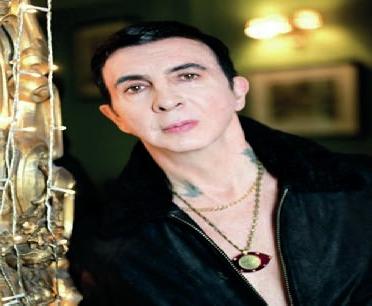
Marc Almond covers Pat Benatar’s Love Is A Battlefield on Trevor Horn’s new album
© Etienne Gilfillan
In 2019 he released Trevor Horn Reimagines The Eighties, a collection of orchestral covers of pop standards (some of them his own work originally), with well-known guests. If there was one criticism of Reimagines, it was that orchestral reworkings were hardly an original concept. However, his new album Trevor Horn Presents Echoes – Ancient & Modern takes a more imaginative approach, pairing another stellar guest list with non-obvious songs, given radically different productions. It sets out its stall by opening with Tori Amos’ cinematic interpretation of Kendrick Lamar’s Swimming Pools (Drank). The doyenne of the double piano covering a hip-hop track is a counter-intuitive start, signalling to the listener that anything can happen from hereon in.
Leggete l'articolo completo e molti altri in questo numero di
Classic Pop
Opzioni di acquisto di seguito
Se il problema è vostro,
Accesso
per leggere subito l'articolo completo.
Singolo numero digitale
Jan/Feb 2024
Questo numero e altri numeri arretrati non sono inclusi in un nuovo
abbonamento. Gli abbonamenti comprendono l'ultimo numero regolare e i nuovi numeri pubblicati durante l'abbonamento.
Classic Pop
Abbonamento digitale annuale
€51,99
fatturati annualmente