IN DEPTH Networking
Seventh level of networking
Understanding networking needn’t be hell. Darien Graham-Smith takes us through the ISO OSI model that runs it all!

Ethernet cabling has its own CAT standard to support 100MB, Gigabit, 2.5 Gigabit and the latest CAT7 for 10 Gigabit Ethernet.
Networking is one of those magical areas of technology where complex processes are made beautifully simple for the end user. Operations such as downloading a web page or backing up a file to a NAS appliance take just a few clicks or taps. Behind the scenes, though, there’s a lot of highly advanced engineering going on.
Do you need to know about the under-the-bonnet technical details? Perhaps not. But if you have an understanding of what’s going on, physically and digitally, that can help you troubleshoot networking problems when they arise, and write your own programs that make efficient use of networked resources. It’s interesting, too – and the OSI model makes it highly accessible, providing an easy way to visualise the processes that makes a network tick.
What is OSI?
The OSI model is a structured description of the operation of a computer network. Its name identifies the body that created it, namely the Open Systems Interconnection group. That group is part of the International Standards Organisation, so if you’re palindromically inclined, you could call it the ISO OSI.
The OSI model was developed in the ’70s and ’80s to provide a standard way of talking about networks that could aid in designing, building and managing every level of a functional network, from the physical wires right up to how individual programs and services communicate with one another. The OSI model is intentionally couched in general terms, focusing on functions rather than specific technologies – so it’s still wholly applicable to modern networking systems.
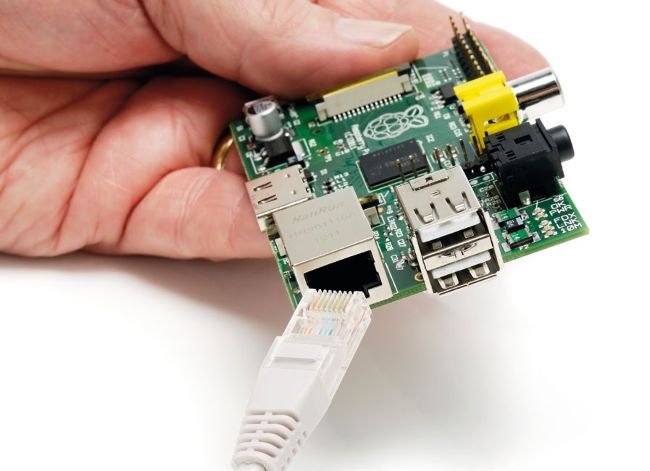
A wired networking connection provides the most reliable of connections.
The most distinctive feature of the OSI model is that it breaks networking down into seven layers. These are hierarchical, in the sense that each one receives some sort of input from the one below (except the bottom layer), and processes it in some way for the benefit of the one above (except, obviously, the top layer). If there’s a problem with any individual layer, the layers above it probably won’t work properly.