PARTY LIKE IT'S 1969
IT’s DECEMBER 1984, AND Prince Rogers Nelson should be on top of the world. His latest album, Purple Rain, is deep into an unbroken 24-week run atop the US charts. His semi-autobiographical movie of the same name – which he seemingly willed into existence – is on its way to earning over $70 million worldwide, 10 times its budget. And the Purple Rain tour, a 98-date victory lap through arenas, stadiums and superdomes across the US, is underway, employing a crew of 105, including bodyguards for the star and his band, The Revolution, who are now experiencing levels of stardom akin to Beatlemania.
But while Purple Rain has made him a superstar, just as he’d planned, Prince is restless. Backstage at the Rosemont Horizon Arena in Illinois, where their five-night stand will draw over 90,000 fans, he informs The Revolution that, following the final shows of the US leg in Miami in April, they’ll come off the road. A proposed European jaunt, plus mooted dates in Japan and Australia, are off the schedule.
“I said, Slow down, Prince!” Revolution bass player Mark Brown (dubbed ‘Brownmark’ by Prince) tells MOJO. “Let’s do a world tour for Purple Rain. Why throw that away? Because Purple Rain was hot, man – it was on fire.”
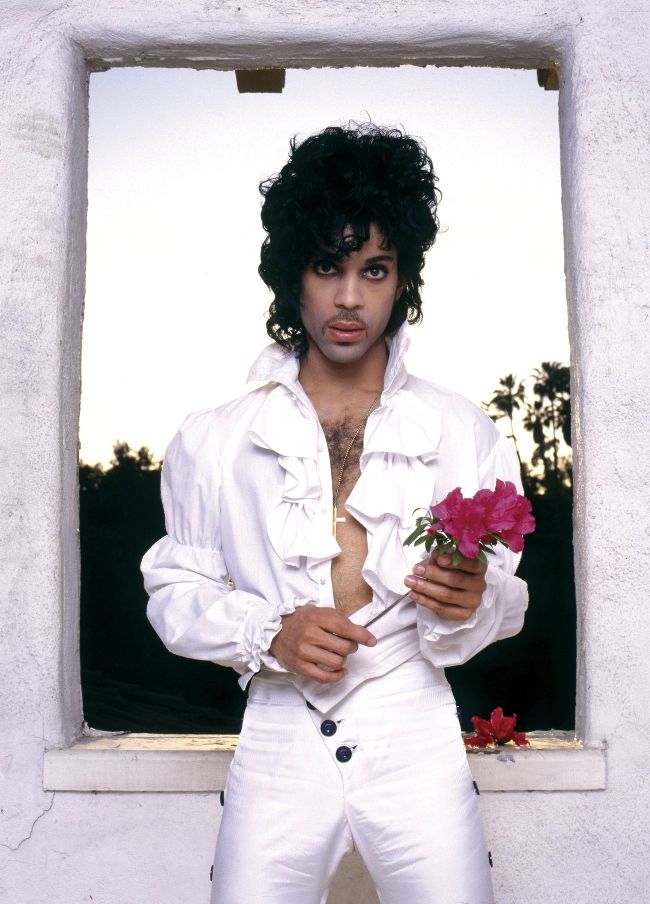
Purple reign: Prince, on the verge of a radical new direction, 1984.
Larry Williams
“We just had to swallow it,” adds keyboard player Matt ‘Dr’ Fink. After all, Prince was the boss, and The Revolution’s role was to follow his mercurial compass wherever it sent them.
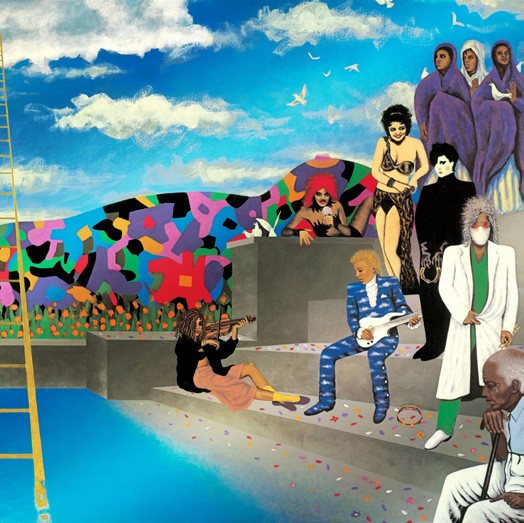
What Prince hadn’t yet told his band was that he was assembling a new record, one he’d complete within the month. This album wouldn’t be the ‘Purple Rain Pt II’ his label and management were hoping for from his next release, but a radical left turn that embraced new influences and directions, freeing him from the expectations his newfound superstardom invited. Purple Rain had realised the ambitions Prince had nurtured since childhood; its surprise follow-up, Around The World In A Day, would be the work of an artist searching for new mountains to climb.
“He was already in his Beatles mode,” says Brown. “Prince didn’t care about outdoing anything he’d done before. He was interested only in reinventing himself.”
RINCE HAD ALWAYS BEEN HIS OWN invention. Bobby ‘Z’ Rivkin first met him at Minneapolis’s Moonsound Studios in 1977, where he stumbled across the then-unknown 18-year-old practising in a darkened room. The 20-year-old drummer had a side-gig as a delivery driver for Prince’s first manager, Owen Husney, who reassigned him as Prince’s driver. “I was with him every day and every night, and we became close,” says Rivkin, who swiftly joined the ranks of proselytisers for this prodigiously talented musician. “You had to see it to believe it: Prince in the studio, jumping from instrument to instrument, writing and recording all these songs.”
Prince was something special, and he knew it. Signed to Warners for a six-record deal the following year, he informed his new paymasters that as well as singing and performing every note of debut album For You, he intended to produce. “Warners said no,” remembers Rivkin. “They had engineer Tommy Vicari watch over him, like a babysitter. But Prince still ended up doing it mostly by himself.”