THEY THINK IT'S ALL LAVA
Despite power cuts, destroyed film, and the group's initial indifference, PINK FLOYD AT POMPEII has grown into a crucial document of the band at a crossroads. In 2025 - restored and remixed - it looks and sounds better than ever. Even NICK MASON thinks so. "We had no concept of how good It was," he tells JIM IRVIN, "or what kind of impact it was having."
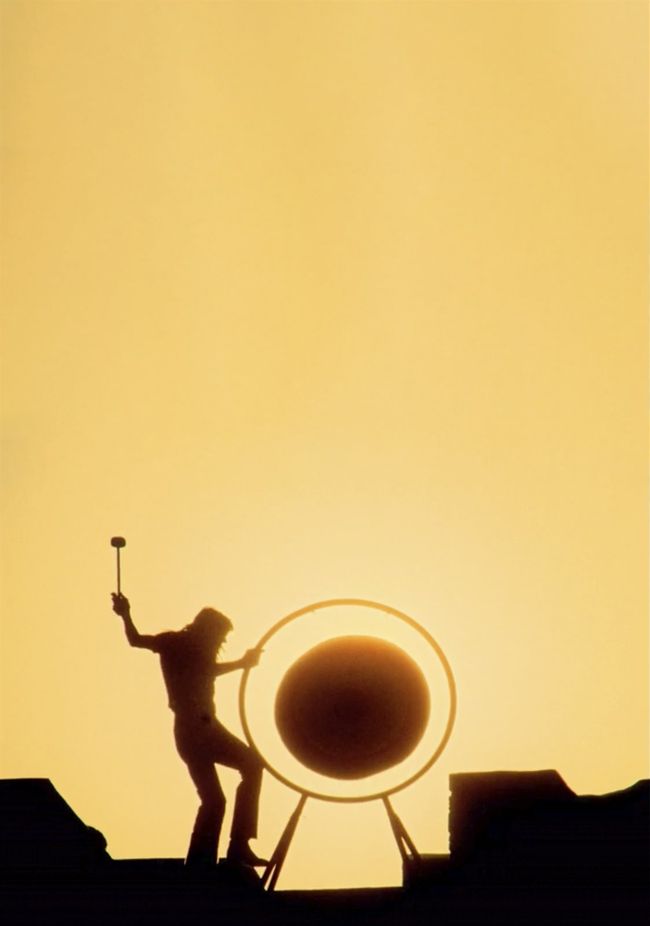
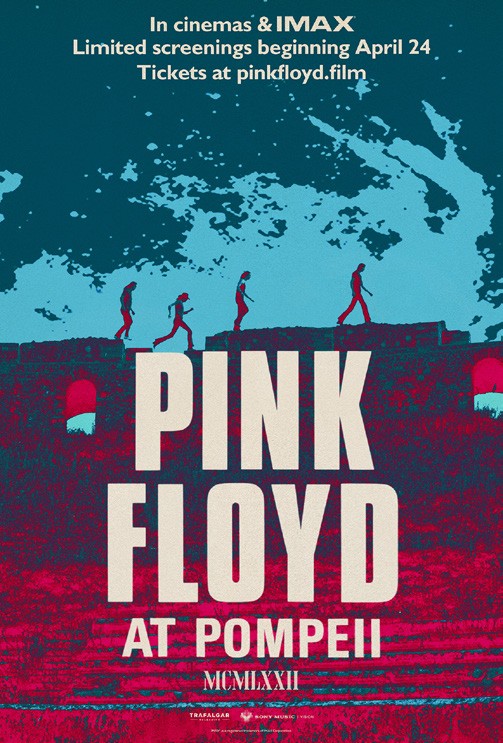
Pompeii and ceremony: (left) Roger Waters gives the gong some in Pink Floyd At Pompeii; (right, clockwise from top left) David Gilmour, Richard Wright, Nick Mason and Roger Waters set the controls for the heart of the sun, 1971.
Courtesy of Sony Music (11)
YEWITNESS PLINY THE YOUNGER, WATCHING from 18 miles away, described it as resembling a pine tree, a vast column of volcanic material branching out from a central trunk, which burst from Mount Vesuvius one afternoon in the autumn of 79 AD. That first day, a perpetual rain of white pumice stones, up to 3cm in size, struck dwellings in the cities of Pompeii and Herculaneum and heated them to 140°C, presumably enough of a clue that it was time to leave town. The following day, when the cloud of material hanging above the region collapsed under its own weight, anyone still sitting in Pompeii hoping the weather might improve in a minute, didn’t stand a chance. That pyroclastic YEWITNESS PLINY THE YOUNGER, WATCHING from 18 miles away, described it as resembling a pine tree, a vast column of volcanic material branching out from a central trunk, which burst from Mount Vesuvius one afternoon in the autumn of 79 AD. That first day, a perpetual rain of white pumice stones, up to 3cm in size, struck dwellings in the cities of Pompeii and Herculaneum and heated them to 140°C, presumably enough of a clue that it was time to leave town. The following day, when the cloud of material hanging above the region collapsed under its own weight, anyone still sitting in Pompeii hoping the weather might improve in a minute, didn’t stand a chance. That pyroclastic surge – a rain of liquified gas and deposits of rock, likely around 300°C – would have instantly incinerated any living thing. Vesuvius had erupted with the power of 100,000 Hiroshima bombs. Debris fell upon Pompeii at the rate of 1.5 million tons per second.
Nearly 2,000 years later, a Frenchman went there on holiday. Adrian Maben – a young filmmaker – and his girlfriend were among a group of tourists taking a break from traversing the historic site in blazing summer sunshine, seated in the stone seats of Pompeii’s amphitheatre eating sandwiches. Restored after an earlier earthquake and reopened only 10 years before it was buried by the eruption, Pompeii’s spectacula – as it would have been known at the time – was one of the earliest Roman theatres to have been built in stone. Designed to hold 20,000 people, it is one of the world’s oldest arenas. As tranquil as it was that day in the summer of 1971 – having been exhumed from its ashen grave 150 years earlier – Maben wondered what it must have been like filled with people, noise, colour and gladiators fighting to their death, but was most struck by how the absence of all that felt. A tranquillity weighted with tragedy.