WRITTEN ON THE WIND
In 1975, a songwriting genius mired in existential crisis, pushing pens in Motown's LA office, came out of early retirement with an album that invented a whole new genre of soul. Fifty years on, SMOKEY ROBINSON approaches UK shores with a live show based around the "languid intimacy" of A Quiet Storm. "I was like a prisoner in a cage of my own making,' he tells ANDREW MALE.
Photograph by JIM BRITT
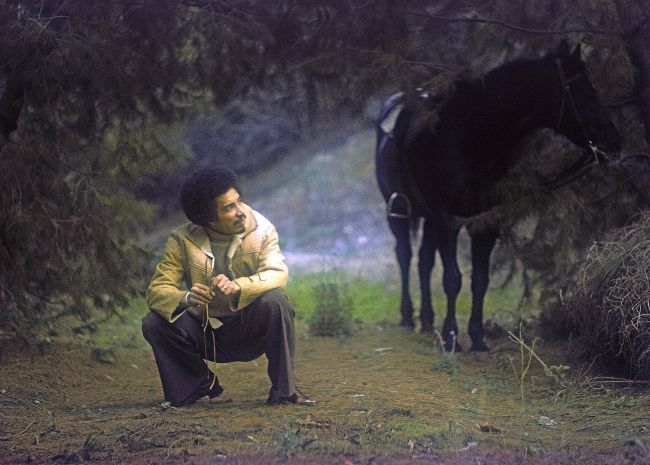
Rider on the storm: an outtake from the cover shoot for Smokey Robinson’s 1975 album,
A Quiet Storm
.
Jim Britt
UT ON THE ROAD WITH THE Miracles in 1971, Smokey Robinson had had enough. The plan had been to retire following the birth of his son, Berry, in 1968, and settle down with his wife, former Miracle Claudette, bolstered by his salary as the Vice President of Motown Records and substantial royalties he’d received for penning, or co-writing, such landmark Hitsville smashes – landmarks, moreover, in the very art of songwriting – as I Second That Emotion, My Girl, Get Ready, Ain’t That Peculiar and The Tracks Of My Tears.
But the rest of The Miracles depended on that concert money and wanted their leader to stay on the road. It wasn’t an easy decision.
“We’d grown up together,” explains Robinson today. “I’d known these guys since I was 10 years old. But I hated touring. Hated it.”
He’d been singing professionally with Warren ‘Pete’ Moore and Ronnie White since 1955, first in The Five Chimes, then as The Miracles with the subsequent addition of Claudette and Bobby Rogers and Marv Tarplin, and since 1965 as Smokey Robinson & The Miracles, the elevation of Robinson’s billing giving some indication of the changing politics within the group. Add to that the birth of another child, Tamla, in 1971, and whispers in the Miracles camp that Robinson could be more generous with his residuals, and you can understand why the singer felt, in his own words, “like a prisoner in a cage of my own making, still performing, still trying to act like my heart was in it.”
Eventually a replacement singer, Billy Griffin, was found and Robinson wrote the group a farewell song, Sweet Harmony. “My intention,” says Robinson, “was to just make five copies and give each Miracle a copy, because Sweet Harmony was telling them, I’m no longer going to be with you, but you can do wonderful things without me. I had no intention of ever being back on-stage or recording again.”
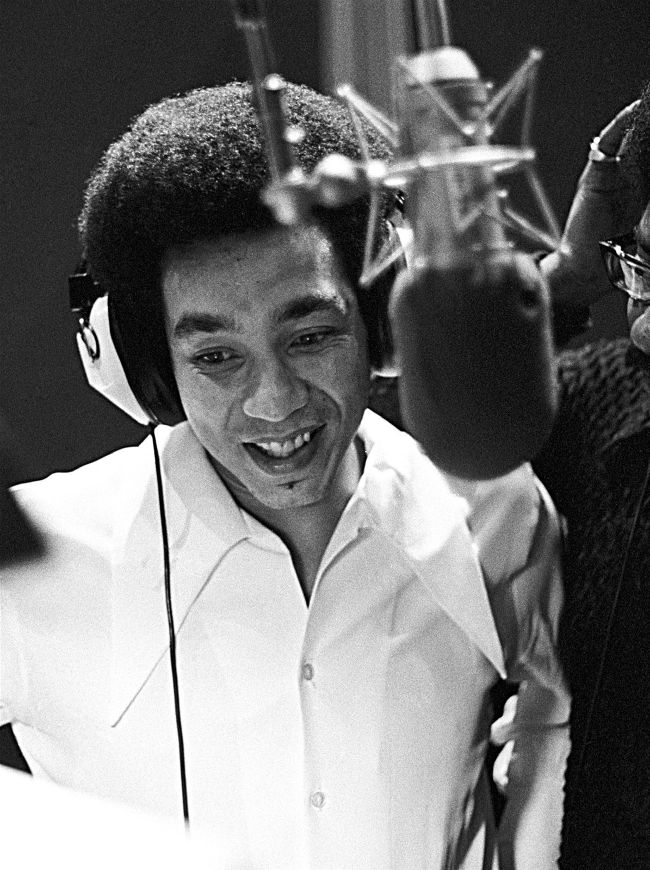
Jim Britt, Getty (3)
But then Suzanne de Passe, the A&R director at Motown, listened to Sweet Harmony and told Robinson, “The world should hear this and know that you’re not leaving because of something negative.”
“So I finally acquiesced,” says Robinson. “OK, fine. You can put it out for the world to hear. So she comes back to me the next day, and says, ‘But you know, we’re gonna need an album.’”
Watch the July 13, 1973 edition of Midnight Special, in which Robinson sings Sweet Harmony before introducing the new Miracles line-up to perform the upbeat, disco-fied What Is A Heart Good For and you see a group desperate to be seen as eager and vital. Their former frontman, also there to promote his solo debut, Smokey, appears more reserved, performing in a state of… well, it’s hard to tell. Ease, relief, denial, exhaustion?