POSTCARD from...
Quartets in bloom
Carlos María Solare joined the loyal audience at Heidelberg’s String Quartet Festival, which celebrated both its 20th anniversary and the upcoming 90th birthday of composer Helmut Lachenmann
HEIDELBERG
The historic Old Town of Heidelberg, cosily laid out below the city castle, is a well-frequented haunt for both locals and tourists, its numerous shops, cafés and taverns constantly alive with patrons, students from the city’s university (founded in 1386 and the oldest in Germany) prominent among them. But only a few tram stops away, on the other side of the river Neckar, there lies the residential district of Neuenheim, its streets lined with luxurious villas from the Gründerzeit (Age of the Founders; that period following the inception of the German Empire in 1871 when many of the companies – such as Daimler and Benz – that contributed to Germany’s economic rise were founded). One of them, built in 1907 in German Renaissance style, is home to the Old College of Education. During four days each January, it hosts the Streichquartettfest, an autonomous mini-festival within the larger Heidelberger Frühling (Heidelberg Spring Festival).
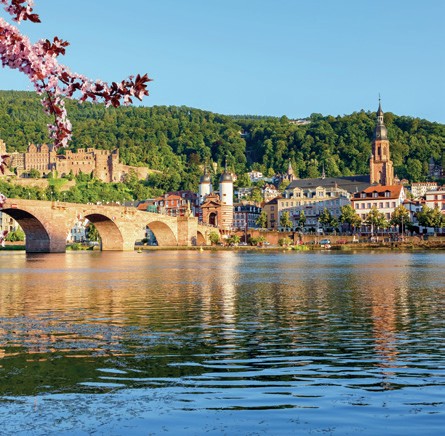
Heidelberg in spring
SBORISOV/GETTY
Thorsten Schmidt, the event’s artistic director since its beginnings, explains that it all started in 2005 with a two-day workshop that proved so successful that a larger frame was chosen for the string quartet festival the following year. Since then, the pattern has remained the same: eight concerts and workshops spread from Thursday evening to Sunday morning, the Saturday including a so-called Long Night during which the ensembles are given carte blanche to present their favourite pieces, independently from any emphasis the string quartet festival may have in that particular year. For the festival’s 20th edition in 2025 (23–26 January), Schmidt showcased a German composer who is himself celebrating a special birthday: Helmut Lachenmann, who turns 90 in November. He was also given a say in the programming, choosing Bartók and Beethoven as his fellow featured composers.