TORI AMOS
ENTER THE DRAGON
Thirty years on from the release of the landmark
Boys For Pele
,
TORI AMOS
has communed with Celtic gods, mythical wizards and her ever-present Muses to summon her spectacular 18th album,
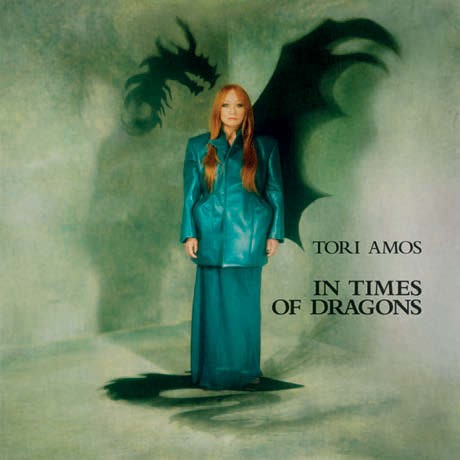
In Times Of Dragons
. No mere fantasy, it turns out to be a fiery allegory touching on sadistic billionaires, motherhood, ageing, Minnesota ICE raids and Amos’s own triumph over the sexist ’90s music industry. “Some of us are called to talk about the tough stuff,” she tells Kate Hutchinson.
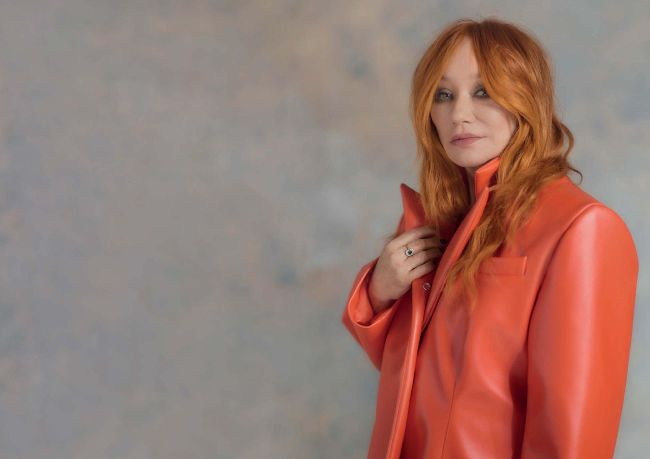
Photo by KASIA WOZNIAK
MICHEL LINSSEN/REDFERNS
LOUNGING in her home in Cornwall, Tori Amos is wearing an unexpected piece of merch. It’s a hat embroidered with the words “Original Pirate Material”, the title of the 2002 album by The Streets. “I’m a fan of the cap, I don’t know the music,” she admits. While a new UK garage direction might not be on the cards for the adventurous singer-songwriter, her latest album, In Times Of Dragons, does find her drawing on a palette of brooding electronics as she reunites with some of the sonic architects of her revered late-’90s material.
Amos’s 18th album introduces us to a Game Of Thrones-style cinematic universe to mirror the current moment. How to deal with the demise of democracy and the immorality of the billionaire elites? You call on the fire-breathers, of course. Across 17 songs, we meet witches, vampires, saints, bikers and mythological creatures as Amos traverses America in search of ancient wisdom. She plays a fictionalised version of herself who, along the way, runs into her estranged daughter – leading to some duets between Amos and her real-life daughter, Tash.
It’s an intricate and occasionally confusing tale, but Amos maintains that the fantasy narrative is necessary to “help us process the shock of the trauma we’re in. Every day is a new trauma. We get that here [she points to her head], but then how do we process that here [the heart]?”
Thematically, Amos has always ventured where no others have dared in a male-dominated musical landscape. She’s written songs about masturbation, miscarriages, menopause and sexual assault, and become a feminist icon as a result. Her commercial breakthrough, “Cornflake Girl”, was a response to the horror of FGM that she read about in an Alice Walker book.

Amos in 1996, the year before she moved to Cornwall
Amos’s political awakening goes back to her teenage years as a conservatoire dropout, when her father would escort her around Washington DC bars to play piano for the lunchtime trade (the Reverend Dr Edison McKinley Amos, who died last year, once proudly said of his daughter: “She’s a 21st-century Mozart”). After relocating to Los Angeles, she briefly abandoned her classical training to release an album with the very ’80s synthpop group Y Kant Tori Read. Luckily it was a commercial flop, unshackling Amos for a run of unparalleled ’90s solo albums that reinstated the piano in rock, including Little Earthquakes, Under The Pink and Boys For Pele, which turned 30 this year and featured Amos on the cover cradling a shotgun.