YOKO ONO
ARCHIVE
YOKO ONO
Ono’s poignant puzzle piece of mourning and anger.
By Jon Dale
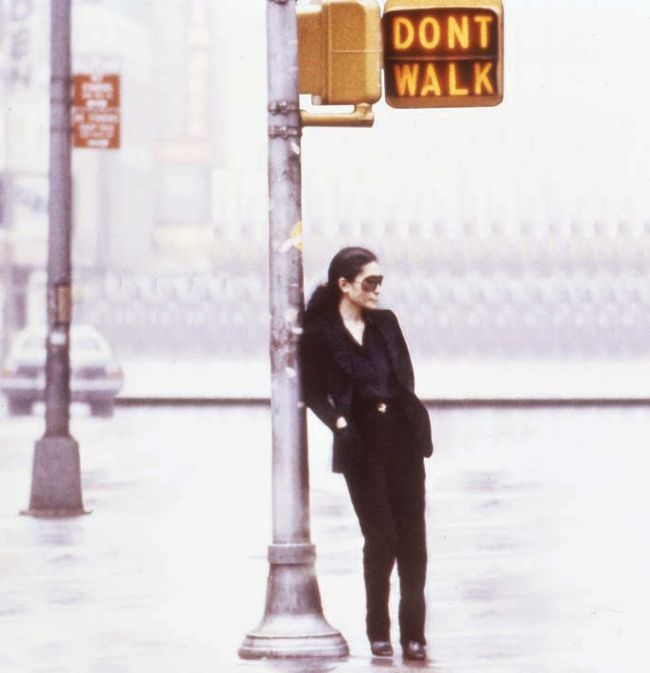
“
We had everything
”: Yoko in New York, 1981
ALLEN TANNENBAUM © YOKO ONO
Season Of Glass (reissue, 1981) SECRETLY CANADIAN
8/10
“WOMAN’S career is not taken seriously,” Yoko Ono told the writer Joy Press in the mid-’90s, “so no one’s keeping an archive for you.” The subsequent reappraisals of Ono’s body of work over the decades have been informed by many things – Beatles adjacency, feminist critique, art-historical reimaginings, experimental film explorations – but shadowing it all has been a sense that we’re never quite getting the full picture of all Ono has achieved during her seven-decade career in art, music, film and writing.
That Season Of Glass is often read as her best album tells us much about how context informs reception. Recorded after the murder of her husband, John Lennon, it’s long been understood as an exploration of grief and personal crisis. The truth is more complex, as much of the material on Season Of Glass was written well before Lennon’s murder in December 1980. But even on its release, the album’s depths were overwritten by the resonant shocks of Lennon’s passing, and the twin forces of sexism and racism that Ono’s presence released in many observers.