STAR INTERVIEW
LOVING LIFE
Isabel Allende, grande dame of Latin American literature, shares her warm philosophy of life and literature with Tina Jackson
Tina Jackson
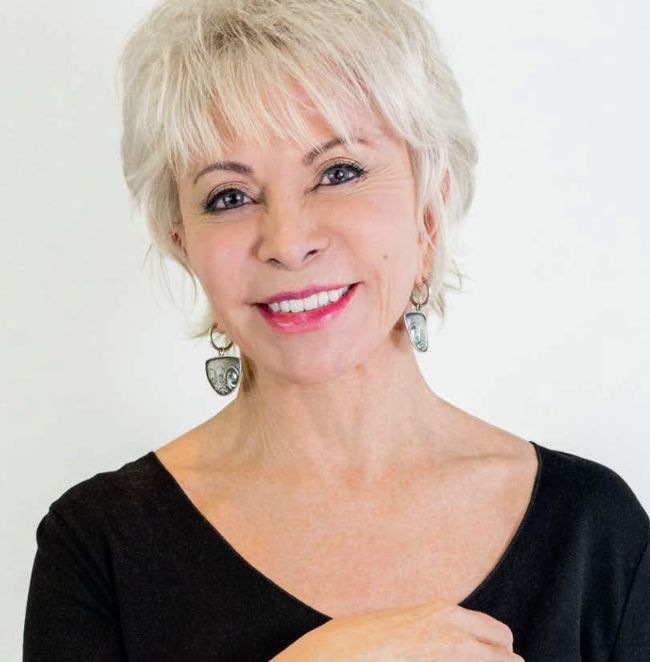
© Lori Barra
TAP HERE
To read an extract from Violeta
The best books shine a light into unfamiliar worlds and by doing so, effect change. Chilean author Isabel Allende knows this better than most. Since her debut, 1982’s The House of Spirits, the globally bestselling, award-winning author of epic fiction, whose work transcends literary styles and genres, has written fiction that illuminates the epic quality of lives and shows individuals coming together in the name of justice.
Her new novel, Violeta, covers 100 years of history as it impacts on the life of its narrator, Violeta de Valle, as she lives through, and bears witness to, a century of upheaval.
Speaking via Zoom from her home in California at the end of 2021, Isabel’s presence is extraordinary. Eighty this year, she’s as vibrant and elegant for an on-screen appearance as for an industry event in real life. Her articulate sentences are perfectly composed, but she exudes warmth, humour and the sense that she’s happy to discuss anything pertaining to the stories that she creates, and has lived through.
Violeta’s genesis began several years ago, with its roots in lived experience.
‘My mother to whom I was really, really close, died almost three years ago,’ says Isabel. ‘We’d exchanged daily letters for decades. My mother had not lived an exceptional life, although she was an exceptional person. She lived almost 100 years, and if she had lived another month she’d have died in another pandemic. She lived through two world wars. That inspired the idea of the book.’
Violeta isn’t a biography, but an amplification of what might, under other circumstances, have been possible. ‘Violeta in some ways resembles my mother. She was very strong, she could have been a businesswoman if she’d been independent and had the chance to get more educated. But she was dependent, on her father and husband, so she couldn’t really expand to her full potential. So maybe Violeta is a way of extending the life she could have led.’
With its century-long span, Violeta takes the reader through major historical events as well as personal triumphs and tragedies. ‘I’ve written several historical novels and it’s easier than any other genre,’ says Isabel. ‘The research gives you so much. Place, time, events. You have to move your characters on the stage you’ve already built. I hope I can write more historical novels. I love the research. Characters are created by the circumstances. That limitation is good for me. The more constricted you become, the more creative you have to be.’