There Can Be Only One!
Never meet your heroes, or so the saying goes, but Opeth have had a blast working with Ian Anderson on their latest, The Last Will And Testament. Bandleader Mikael Åkerfeldt and guitarist Fredrik Åkesson discuss the band’s proggiest album to date, the return of the growl and why blood isn’t always thicker than water.
Words: Rich Hobson
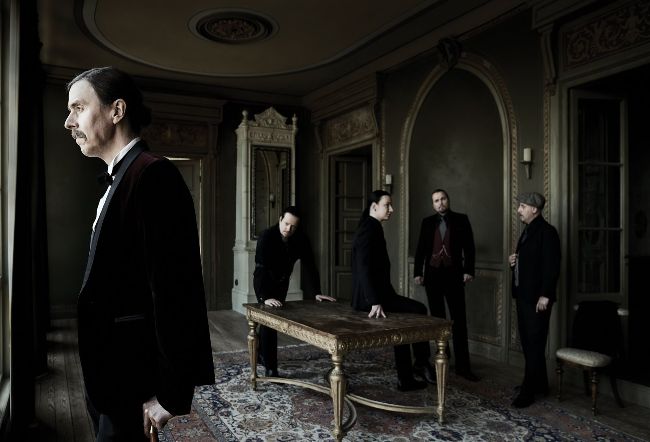
Opeth: keeping fans on their toes.
Images: Terhi Ylimäinen
“Fans asked us constantly, ‘Why did you stop doing death metal vocals?’ Now it’s, ‘Why have you started using death metal vocals?’ There’s so much focus on this aspect of our sound. Just remember there are other elements, too!”
Mikael Åkerfeldt
When Swedish prog metal kings Opeth played London’s Eventim Apollo in November 2022, their minds weren’t on King Crimson, Camel or Genesis. They were thinking about the bands who’d made the venue a part of heavy metal history.
“To me it’s still the Hammersmith Odeon,” says guitarist Fredrik Åkesson. “That venue has so much history hosting bands like Saxon, Maiden and Motörhead when I was a kid – it’s legendary.”
There were other reasons that night was momentous, too. The UK stop on their Evolution XXX tour was a night to celebrate 30 years of achievement, Opeth’s ascension from extreme metal cult heroes to gamechanging prog metal torchbearers, paving the way for everyone from Gojira to Jinjer. But even with a packed house and thousands of fans waiting, there was only one face Fredrik was focused on as he played.
“I looked up into the balcony and [Iron Maiden’s] Bruce Dickinson was there, air drumming!” he says. “I’ll never forget that gig.”
It’s testament to just how far Opeth have come that they not only regularly pack out massive venues around the world –Sydney Opera House, Red Rocks Amphitheatre, Wembley Arena, they’ve done the lot –but have also earned the respect and admiration of some of music’s leading figures. It hasn’t always been the case, though. Their first decade was spent largely trying to outrun a bum reputation inherited from an earlier incarnation of the group, their ambitious songcraft and clear progressive leanings were an uphill battle best summarised by frontman Mikael Åkerfeldt to Prog in 2023: “People thought we were shit.”
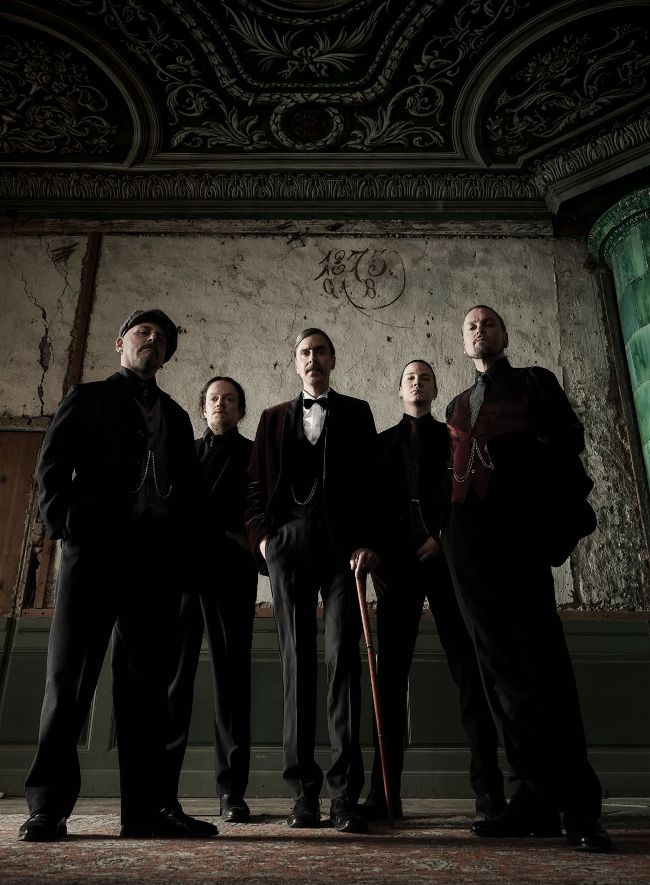
L-R: Martín Méndez, Fredrik Åkesson, Mikael Åkerfeldt, Waltteri Väyrynen, Joakim Svalberg.
“Iron Maiden have a progressive side, undoubtedly. You know, one of Steve Harris’s favourite bands is Jethro Tull, but hey, we got Ian Anderson on our album!”
Fredrik Åkesson
Thankfully, by the 2000s their reputation had shifted. From 2001’s Blackwater Park to 2008’s Watershed, Opeth cemented themselves as one of extreme metal’s most critically revered and boundary-pushing groups. So naturally, they ditched extremity altogether. From 2011’s Heritage onwards, they embraced 70s prog with intricate, complex songs that left their death metal roots gathering dust. Their career thrived and the band found whole new audiences, even as metal purists decried them from the wings. But who says they can’t go back?