DAVID GRAY
STILL CLIMBING
MORE THAN 20 YEARS SINCE THE SUCCESS OF WHITE LADDER, DAVID GRAY HAS RECAPTURED ITS COMBINATION OF HEARTACHE AND HOPE ON NEW ALBUM DEAR LIFE. “SONGS SPRANG FROM NOWHERE,” HE SAYS...
JORDAN BASSETT
David Gray once – quite literally – captured the sound of the city. His breakthrough album, White Ladder, was recorded in his bedroom in north-east London with such a DIY set-up that its biggest single, Babylon, features the sound of a car driving by outside. Some 26 years later, Gray is still inspired by the chaos of urbanity. Shortly before our interview, for instance, feeling rundown, he was caught in a torrential downpour while on London’s Marylebone Road, when an unexpected sight immediately lifted his mood.
“This Deliveroo driver came past on a bike, with his hands off the handlebars and he was singing his head off,” Gray laughs over video call. “In the pissing rain!
You don’t really get that anywhere else. You get this mad stuff: these weird confluences of energy. I love the theatricality of the city. It’s endlessly replenishing; it’s never the same twice. But it is a demanding environment.
It takes a lot from you to be there.”
So, for his meticulously crafted 13th album, the electronica-infused Dear Life, Gray decamped to his makeshift studio in rural Norfolk, where he relished the chance to escape the noise of the capital. He’s “a different person” in the countryside, Gray says: “I know I’m in a place where magic happens. I dial into the landscape, the speaking landscape: the geese, the sounds of the birds, the marshes, the beach, the sound of the sea in the distance. Those elements encourage a poeticism that’s different.”
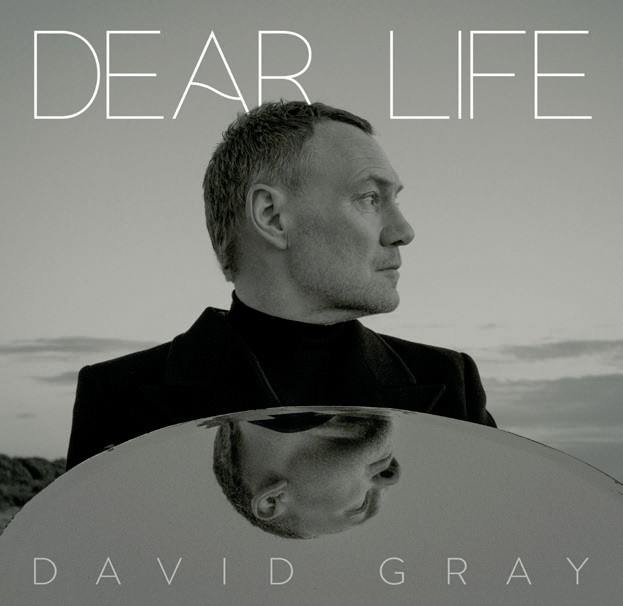
That poeticism runs deep through Dear Life, which ebbs with the kind of mature, understated music Gray’s perfected ever since he went against the grain of Britpop’s maximalism in the early 1990s. Alongside producer Ben de Vries, with whom he worked on his previous two records, Gray decorates minimalist beats with ghostly instrumentation that underlines its wistful themes. He tentatively excavates relationships that have shifted into the past tense (After The Harvest), grief (the gorgeous Eyes Made Rain) and even the beauty of nature itself (Sunlight On Water).