JOHN LENNON
EVOLUTION IN THE HEAD
I-Ching diaries and conceptual countries, FBI surveillance and the Lost Weekend – 1973 marked a period of intense personal chaos for JOHN LENNON. Amid all this turbulence, however, he found creative sustenance with Mind Games – an album steeped in cosmic benevolence, emotional heft, introspection and, most importantly, love. As a new expanded edition shines a light on Lennon’s working methods, Peter Watts discovers an artist at a crossroads, looking inside himself for ways to move forward. “It’s my dad getting back on track, after a very experimental and volatile period,” says Sean Ono Lennon. “At times it went a bit out of control…”
CLOUDS: GETTY IMAGES
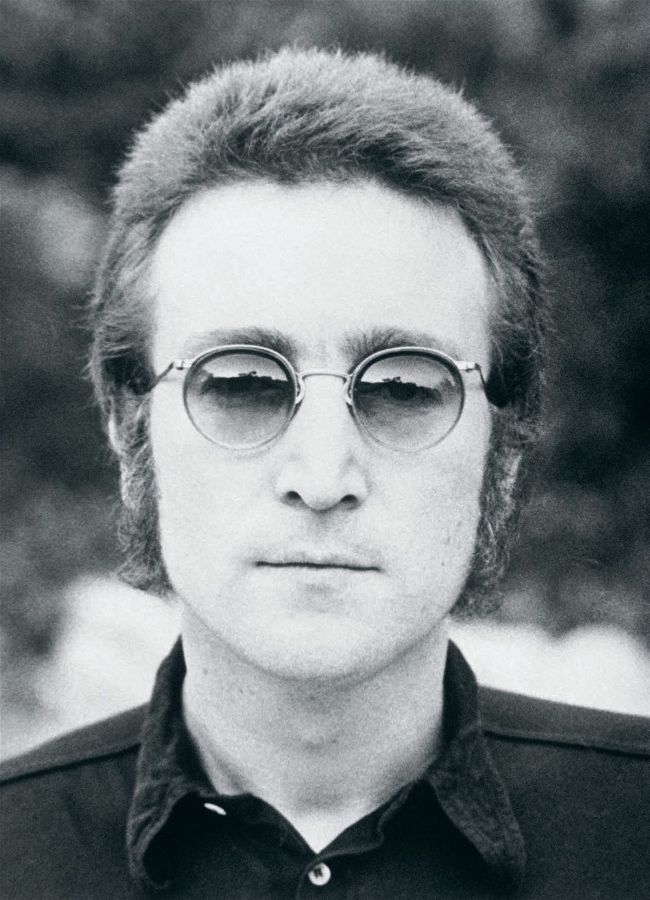
Yoko’s photo of John in LA, November 1973, as seen on the cover of the “Mind Games” single
Photo and John Lennon self-portrait © YOKO ONO LENNON
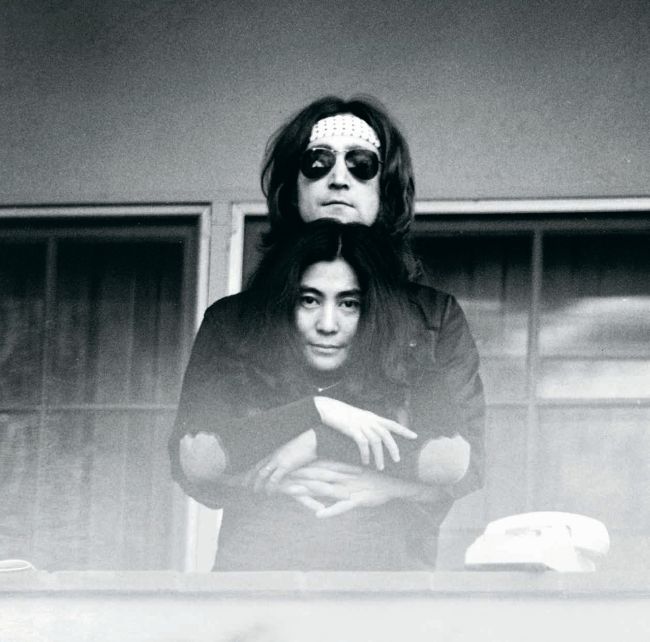
I’m with the headband:John and Yoko in California,1973
©YOKOONOLENNON
WHEN John Lennon entered New York’s Record Plant studios in August 1973, he had to prove himself all over again. His last album, Some Time In New York City, had been critically panned for its ragged, rock ’n’ political sloganeering. At the same time, he was under surveillance from the FBI, while US immigration authorities were trying to deport him because of his anti-war activism. At home, his relationship with Yoko Ono had hit a rocky patch. A sorely needed reset came with Mind Games – an album that he enthusiastically described as “Imagine with balls”, but whose subtle beauty soon became mired in the continued chaos surrounding Lennon.