ARCHIVE
THE SPECIALIST
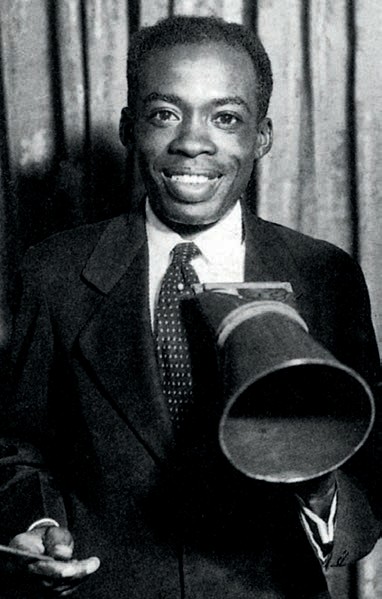
Early star DeFord Bailey
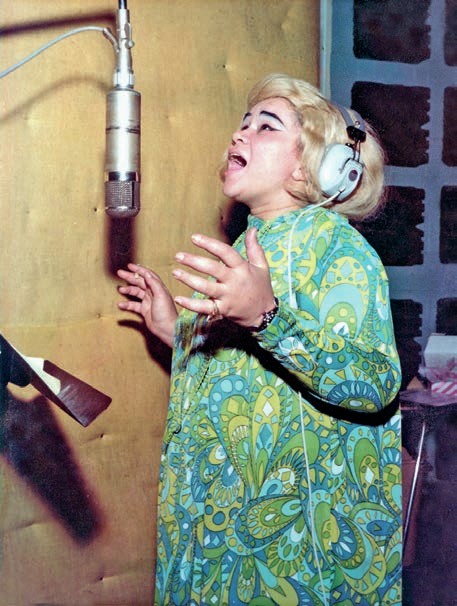
Etta James, Muscle Shoals, 1967
GABARCHIVE REDFERNS;HOUSEOFFAMELLC MICHAELOCHS ARCHIVE GETTYIMAGES;GILLESPETARD REDFERNS
VARIOUS ARTISTS
From Where I Stand: The Black Experience In Country Music (reissue, 1998) WARNER MUSIC NASHVILLE 8/10
A century of black contributions to country music
ONE of the first stars of what became the Grand Ole Opry was a black harmonica virtuoso named DeFord Bailey, who could make the instrument sound like every oily, chugging mechanism on a speeding locomotive. “Pan American Blues”, from 1927, may be the ultimate showcase for his feats of ventriloquism, and it made him a star on the radio and eventually on TV. Bailey helped define the Opry as the premiere showcase for country music, but he was fired in 1941, either for breaking a song-publishing deal or for being black, depending on who’s telling the story.
Bailey’s sad tale has come up a lot lately, especially after Beyoncé’s Cowboy Carter stoked the debate over black contributions to country music. From Where I Stand: The Black Experience In Country Music, which opens with “Pan American Blues”, shows this debate is not new – or even really a debate. In 1998, the Country Music Hall Of Fame organised an exhibition of black country artists and released a 3CD boxset as a soundtrack. This expanded version sounds just as revelatory and persuasive now as it did then.
The story begins with the black string bands of the 1930s and 1940s, who straddled country blues, jazz and what was then called hillbilly music.
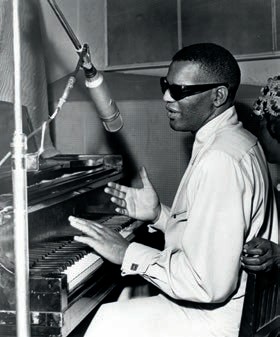
Ray Charles, 1962
The James Cole String Band’s 1928 recording of “Bill Cheatem” achieves the wild momentum of a runaway train, thanks to the relentless fiddling of its bandleader, while the Mississippi Sheiks’ 1930 hit “Sitting On Top Of The World” remains one of country’s most sublimely melancholy ballads.