ARCHIVE
REDISCOVERED
Uncovering the underrated and overlooked
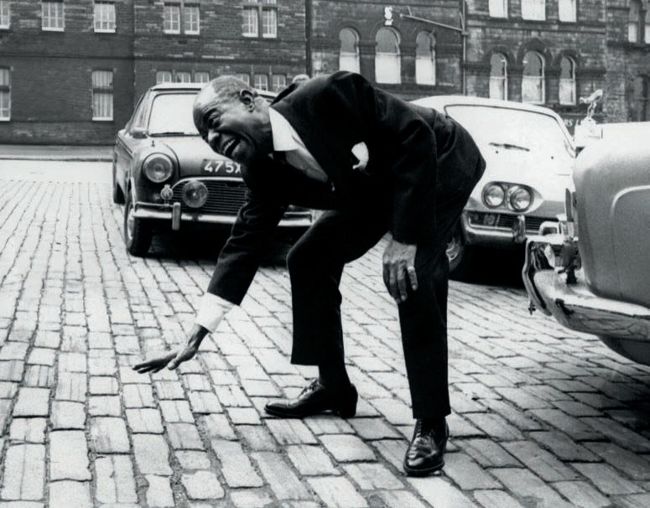
COURTESY OF THE LOUISARMSTRONG HOUSEMUSEUM
LOUIS ARMSTRONG
Louis In London VERVE 8/10
Live at the BBC, a valedictory blast from an era-straddling titan
WHEN Louis Armstrong arrived in Britain in 1968 for a cabaret residency at the Batley Variety Club, he wasn’t exactly hip in a brave new world that had just discovered the transgressive pleasures of psychedelia and headbanging blues-rock. Who was this old jazz guy called ‘Satchmo’ who had knocked “Lady Madonna” off the top with the preposterously sentimental “Wonderful World”?
During his visit, Armstrong also filmed a concert for BBC Television which this reviewer remembers being greeted with paroxysms of parental delight while their 14-year-old son hid away in an upstairs bedroom with his Beatles and Stones. Back then it was called the “generation gap”. Today, our ignorance of foundational cultural history simply seems embarrassing.
Armstrong’s healthh had been in decline for some years, and he would soon be back in intensive care before dying of a heart attack in 1971 at the age of 69. Yet buoyed by the success of “Wonderful World”, he rallied on his visit to Britain for one last triumphant hurrah,rah, singing his heart out and rediscovering his chops with some burnished horn playing. He was particularly thrilled with the BBC concert, which he rated “the most relaxed thing we’ve ever done”.
Recorded at BBC Television Centre on July 2, 1968, with his five-piece All Stars, much of the show was released in 1970 as Louis Armstrong’s Greatest Hits Recorded Live. The full concert now appears for the first time in an expanded edition. What we get is a warm and ripe trawl through his entire career, from a swinging take on WC Handy’s “Ole Miss” – reputedly the first composition he ever performed in public, on a New Orleans riverboat – to “Wonderful World”, which, to be fair, he sings like he means every cloying word.
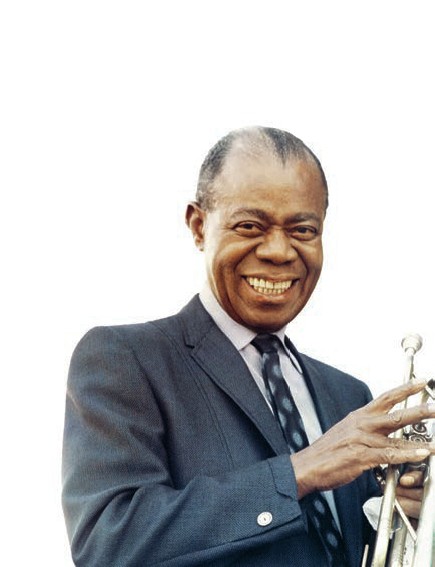
Blowing up a storm:Louis Armstrong circa 1968
Sure, there are too many schmaltzy Broadway tunes, including “Hello Dolly” and “Mame”, but the fruity joy with which they’re delivered allows him to get away with it. His rich voice on “You’ll Never Walk Alone”, which he dedicates to “all the mothers with sons in Vietnam”, is a delight; and not even the audience clapping clumsily along to “Hello Dolly” can spoil the joie de vivre as he playfully includes a quote from “Stormy Weather” in the trumpet solo.