Pace yourself
Breathless and action-packed or slow and emotive? Helen M Walters explores how to handle pace with examples from three classic short stories
In this month’s classic short story masterclass we’re going to look at the importance of pace. How do you make sure the pace of your short story is right for the amount of action you have and the type of story you are going to tell? It will, of course, be different for a high adrenaline adventure story and a more contemplative emotional story. We’ll also consider how you can speed up and slow down pace where you need to in order to control the flow of your story.
Read all three stories athttp://writ.rs/wmmay
So what is pace? Put simply, pace controls how quickly or slowly the reader feels they are moving through your story. It’s the difference between fast-moving sections, which keep your reader on the edge of their seat, and slower sections, allowing them to reflect and absorb what is happening.
The classic short stories I have chosen to illustrate this are The Most Dangerous Game by Richard Connell, Miss Brill by Katherine Mansfield, and Babylon Revisited by F Scott Fitzgerald. As always, you’ll get the most out of this article if you read the stories as well. Spoilers follow, so visit http://writ.rs/wmmay now to read all three.
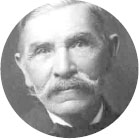
Richard Connell
Action!
The Most Dangerous Game is a story of adventure, of hunting, and of life and death. So it is not surprising that for much of the story the pace is pretty quick. But how does the writer achieve this, and how does he achieve balance within the story so that the pace is fast without completely sweeping readers off their feet.
You’ll notice that the beginning of the story is, in fact, rather leisurely. Rainsford and his friend, Whitney, are on board a boat passing by an island. There is physical description about the island and its surroundings, while dialogue gives us further information about the reputation of the island and also about Rainsford. The author isn’t dragging his heels in getting the story started; he is giving the reader information that will prove to be important later on.