SMALL FACES
AFTERGLOW
ForSMALL FACES,1968 was a year of extremes, from hit singles and a career-defining album to a final, onstage bust-up. But while the bonds between them were strained by internal tensions and external dramas, the music they made in their last months together pointed tantalisingly in bold new directions. As an expanded version of their posthumousThe Autumn Stoneset reveals fresh treasures, Rob Hughes discovers what really transpired during the band’s final, tumultuous 12 months. “We were splitting up,” says Kenney Jones. “But we sounded so great.”
LEAVES: GETTY IMAGES
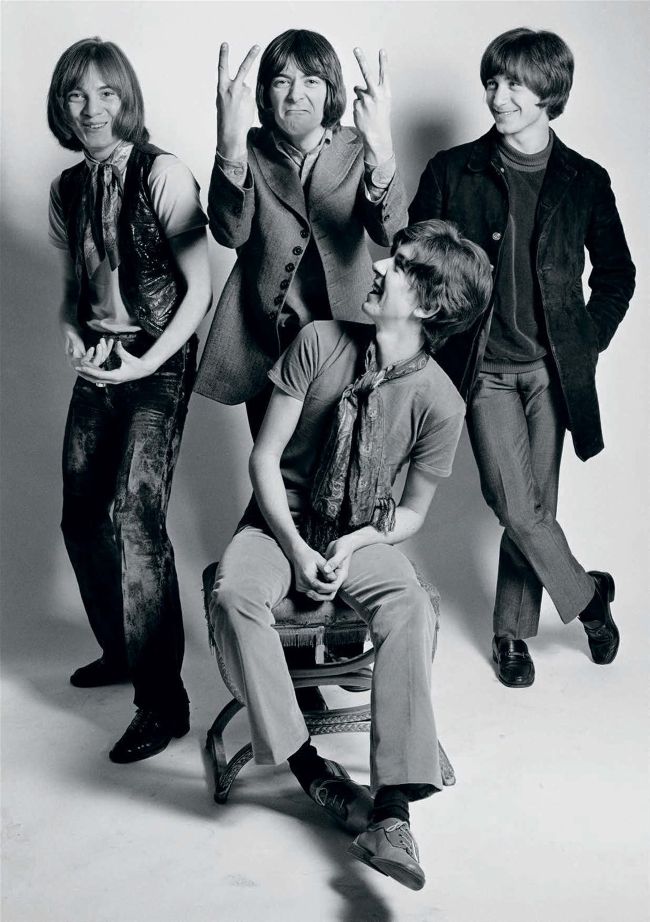
Vs for valedictory? (l–r) Steve Marriott, Ian McLagan, Ronnie Lane and Kenney Jones in London, 1968
Photo by GERED MANKOWITZ/ICONIC IMAGES
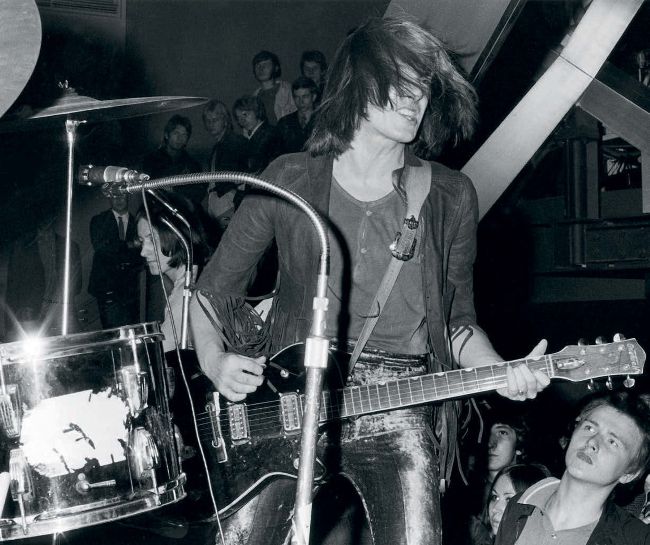
Growing frustrations: Marriott with Small Faces in Berlin, 1968
BENZMANN/ULLSTEIN BILD VIA GETTY IMAGES
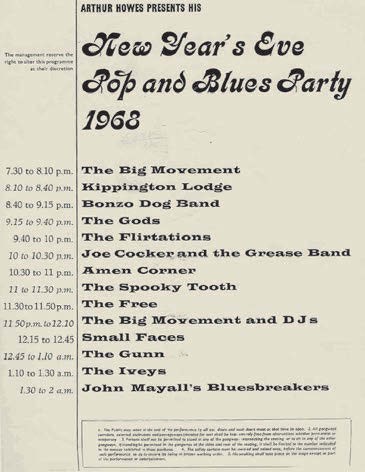
ALEXANDRA Palace planned to see off 1968 in style. For 20 shillings, the audience were treated to a giant New Year’s Eve Pop & Blues Party with performances by Amen Corner, the Bonzo Dog Doo-Dah Band, John Mayall’s Bluesbreakers, Free, Joe Cocker and more. Taking the stage just after midnight: Small Faces.
Yet evidently something was wrong. During a rendition of “Lazy Sunday”, featuring special guest Alexis Korner, Steve Marriott suddenly threw down his guitar, yelled “I quit!” and stalked off stage. Unsure of what to do next, the rest of the band briefly carried on, before Korner slipped away quietly. Ronnie Lane and Ian McLagan shuffled off in a vain attempt to lure Marriott back. “We were left on stage like idiots,” says Kenney Jones. “Ronnie and Mac went past me and said, ‘Just play something!’ So I played a drum solo, then got fed up and put my sticks down. The crowd was completely silent. When I went backstage, Steve was just ranting and raving: ‘I’ve had enough, I can’t play these songs any more!’”
The Small Faces were over. In the early hours, Marriott put in a call to his good friend Peter Frampton. “I was round at [engineer] Glyn Johns’ house, listening to an acetate of the first Led Zeppelin album,” Frampton says. “The phone rang and it was Steve: ‘’Ere, Pete, I’ve just left the Small Faces. Can I join your band?’ I said, ‘You’re kidding me! Are you sure about this?’ He went, ‘Yeah, I just walked off.’”
Minutes later, Jerry Shirley, Frampton’s prospective new bandmate, received a similar call from Marriott. His reaction was equally incredulous. “The Small Faces were my favourite band, so my response was the same as Peter’s: ‘Are you sure?’” says the drummer. “But there was no changing once Steve had made up his mind.” Marriott soon joined both men in Humble Pie.
It was a messy and impulsive exit, curious in its timing. 1968, after all, appeared to have been a good year for Small Faces. In June, the wonderfully ambitious Ogdens’ Nut Gone Flake became the band’s first No 1 album in the UK, remaining at the top spot for six weeks. There were hit singles too, like “Lazy Sunday” and “The Universal”.
But there was frustration and discontent bubbling beneath the surface. Marriott’s New Year’s Eve meltdown was not without cause. It also left more questions than answers. Why were Small Faces unable to capitalise on Ogdens’…? Were they afraid to tour? What became of a ‘lost’ studio album, the mysterious ‘1862’? And how true were those rumours about Marriott wanting to bring in new band members, only to be voted down?
Some of these queries – but not all – were answered the following year, with posthumous double LP The Autumn Stone. Issued somewhat haphazardly during the final days of the Immediate label, it was a compelling document of a band who, in just three-and-a-bit years, had journeyed from Carnaby Street mods to something hairier, heavier and more nebulous.
The album housed hits from their previous time at Decca, a couple of selections from Ogdens’…, a scintillating trio of live tracks and, most intriguingly of all, a hint of what might have been in the form of unreleased songs from the summer of ’68 onwards.
Newly expanded and remastered to salute the Immediate label’s 60th anniversary, The Autumn Stone is now made more persuasive by the inclusion of stripped-back mixes and other rarities that place Small Faces in a whole other context. Rather than a career epilogue, it feels like a fresh chapter.
“It’s so good to be involved with The Autumn Stone at last, because I had nothing to do with it first time round,” says Jones. “Back then, I was already busy with the Faces. I didn’t even know it was coming out. So from the outside looking in, I became a Small Faces fan again. It made me think, ‘Fuckin’ hell, we weren’t bad!’”
I
T’S late morning when Kenney Jones greets Uncut in the imposing surrounds of his polo club. Tucked into the Surrey hills, it boasts 180 acres of outstanding natural beauty. He’s owned the place since the late ’80s, developing it into a high-end venue that – aside from feeding his love of polo and putting on regular games throughout the season – also hosts weddings, private parties and corporate events.
Renovating the clubhouse from a dismantled 18th-century barn has been another labour of love. Exposed timber beams and high windows dominate. Huddled against the chill in a black sheepskin coat, Jones’s own past is imprinted here too. Hanging over the bar – where else? – is a large action painting of the Faces, the rock’n’roll hellraisers he formed in the immediate wake of Small Faces’ demise. Underneath sits a small wooden plaque bearing a wobbly inscription: ‘Life is too short to drink cheap wine.’
“IT’S SO GOOD TO BE INVOLVED. I HAD NOTHING TO DO WITH IT FIRST
TIME ROUND”