HIT... OR MYTH?
The Legends Of Mark Hollis
BETWEEN 1998’S SOLO ALBUM AND HIS DEATH IN 2019, TALK TALK SINGER MARK HOLLIS RETREATED INTO A RECLUSIVE, ENIGMATIC SILENCE. AIDED BY A NEW BOOK AND A DOCUMENTARY, WE EXPLORE THE STORY BEHIND THE SUNGLASSES...
WYNDHAM WALLACE
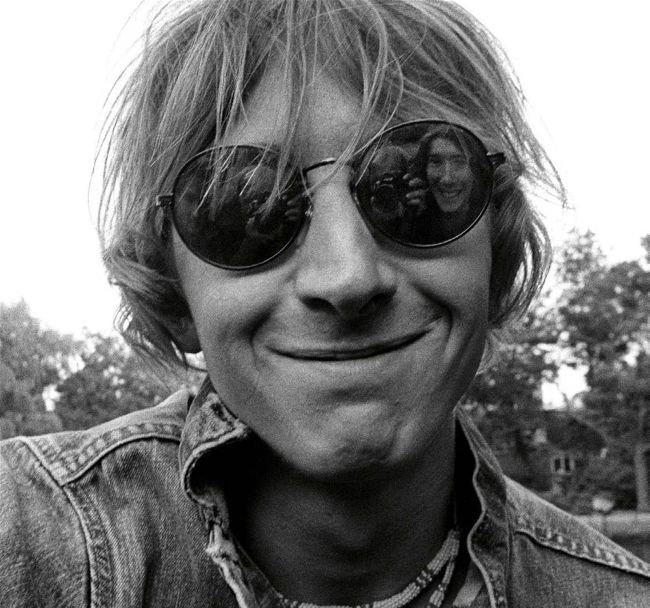
Mark Hollis pictured in Vondelpark, Amsterdam, August 1984
© Getty
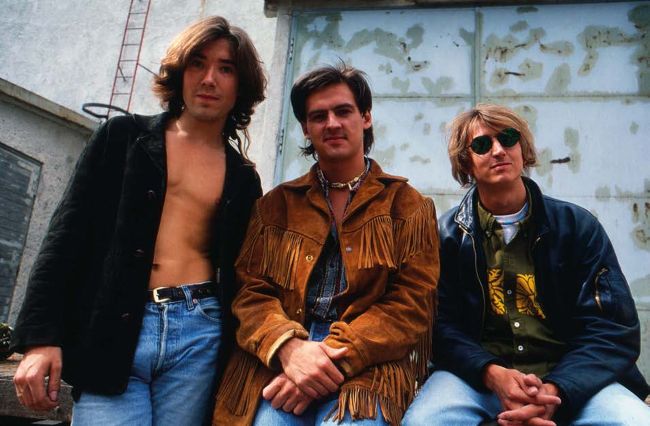
Talk Talk in 1984, the year they released second album It’s My Life
© Alamy
When Talk Talk mastermind Mark Hollis died, aged 64, in 2019, the outpouring of grief was so great that, while it didn’t match the mourning provoked by Davie Bowie’s or Prince’s passing in 2016, it nonetheless came close. Dismissed early on as lightweights, Talk Talk and Hollis had come to be recognised as among the most influential acts to emerge from their era, with initial pop nous admired by the likes of No Doubt, who had a huge hit with a cover of It’s My Life in 2003, and later, sophisticated work championed by Elbow’s Guy Garvey, Underworld’s Karl Hyde, Bon Iver’s Justin Vernon and Robert Plant.
That people could feel so bereft was, to some, unexpected. It’s now more than 30 years since Talk Talk’s final album, 1991’s Laughing Stock, and next year it will be a quarter of a century since 1998’s Mark Hollis, his lone solo LP, while none of his recordings has grazed a Top 40 chart since 1990’s Natural History: The Very Best Of Talk Talk. Furthermore, aside from a handful of collaborations – the last in 2001 on Norwegian-Polish singersongwriter Anja Garbarek’s beguiling Smiling & Waving – Hollis’ only music since 1998 is less than a minute long: a quasi-baroque instrumental, ARB Section 1, from a 2012 episode of Kelsey Grammar’s poorly performing TV show, Boss. Beyond that, he maintained a watertight public silence.
One could be excused for not knowing who Hollis was.
If the fact he’d not been largely forgotten was surprising, fans discovering their passion was widely shared enjoyed a bigger revelation. There were, doubtless, countless people who still loved his band’s first two, often maudlin synth-pop albums, 1982’s The Party’s Over and 1984’s It’s My Life – home to hits like Today, It’s My Life, Such A Shame and Dum Dum Girl – not to mention 1986’s more analogue The Colour Of Spring, which delivered even more classics like Life’s What You Make It and Living In Another World. But 1988’s Spirit Of Eden, as well as the similarly commercially ill-fated Laughing Stock and Mark Hollis, appeared most lauded, and these, in contrast, are best heard with the lights down, when the beauty, comfort and redemption they offer are most affecting.
DISMISSED EARLY ON AS LIGHTWEIGHTS, TALK TALK AND HOLLIS HAD COME TO BE RECOGNISED AS AMONG THE MOST INFLUENTIAL ACTS TO EMERGE FROM THEIR ERA
More importantly, one listens to them alone, making this a private, even intimate relationship. In the wake of Hollis’ passing, it appeared there was an entire community of like-minded souls whose lives they had touched in an uncommonly profound manner. Suddenly, it transpired we’d never been alone at all.
THE SOUND OF SILENCE
In the silence Hollis left behind, devotion to his achievements has grown. He gave his last interviews around his eponymous album, and Paul ‘Rustin Man’ Webb (bass), Lee Harris (drums) and Tim Friese-Greene (sometime producer and multi-disciplined, unofficial Talk Talk band member) have also refused to discuss their work together ever since, apparently out of respect. “I would rather just have the album say what it is itself and not do anything for it,” Hollis told International Musician And Recording World’s Andrew Smith on the eve of Spirit Of Eden’s release. Ten years later he extended his fondness for reticence further, telling Danish TV: “I get on great with silence. I don’t have a problem with it. It’s just silent, y’know. So it’s kind of like, well, if you’re going to break into it, just try and have a reason for doing it.”