Reality check
The past year has seen EV uptake stall and Europe’s car manufacturers undermined by cheaper imports from China. WILL RIMELL takes stock
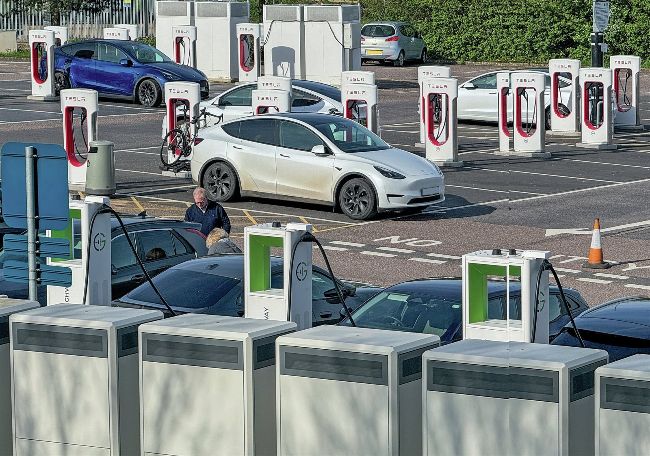
GETTY IMAGES
While 2023 was the year electric cars slipped into the mainstream and their popularity boomed to a point where the 2035 EV-only target began to look achievable, 2024 was the year that brought the automotive world back down to earth with abump and showed there really is still an awful long way to go.
The slowdown in EV sales growth, driven by incentives ending in powerhouse markets such as Germany, comes as car makers are forced to contend with increasingly strict emissions mandates in the EU and the UK, thereby creating a paradoxical environment in which electric cars must be sold in volumes that are, in many places, currently greater than the market demand.
Throw in a trade war with China, the onset of pivotal new technical regulations and a turbulent geopolitical environment, and this has been yet another transformative year for the car industry – one that will be seen in years to come as either the catalyst for change or the start of a difficult period for the sector’s electric push.
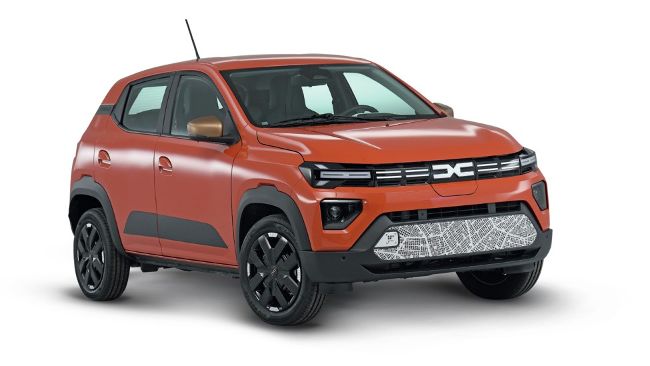
Dacia Spring starts at just £14,995
THE HYBRID RENAISSANCE
Around the middle of the year, car makers started to rethink their own target dates for going EV-only. The growth of electric car sales proved far slower than projected, with just a 6% year-onyear (January-September) increase in Europe, compared with 28% for the whole of 2023. Much of this downturn was driven by Germany (down 29%).
Porsche was one of the first to fold, confirming that its Cayenne – which had been due to go EV-only in 2026 – would be offered with pure-ICE and hybrid power well into the next decade.